Metal Roof vs Tile Roof
The two best tropical roofs, head to head. Lightweight, storm-ready metal against heavy, century-lasting tile. Both are excellent; the winner turns on weight, budget, and the look you want.
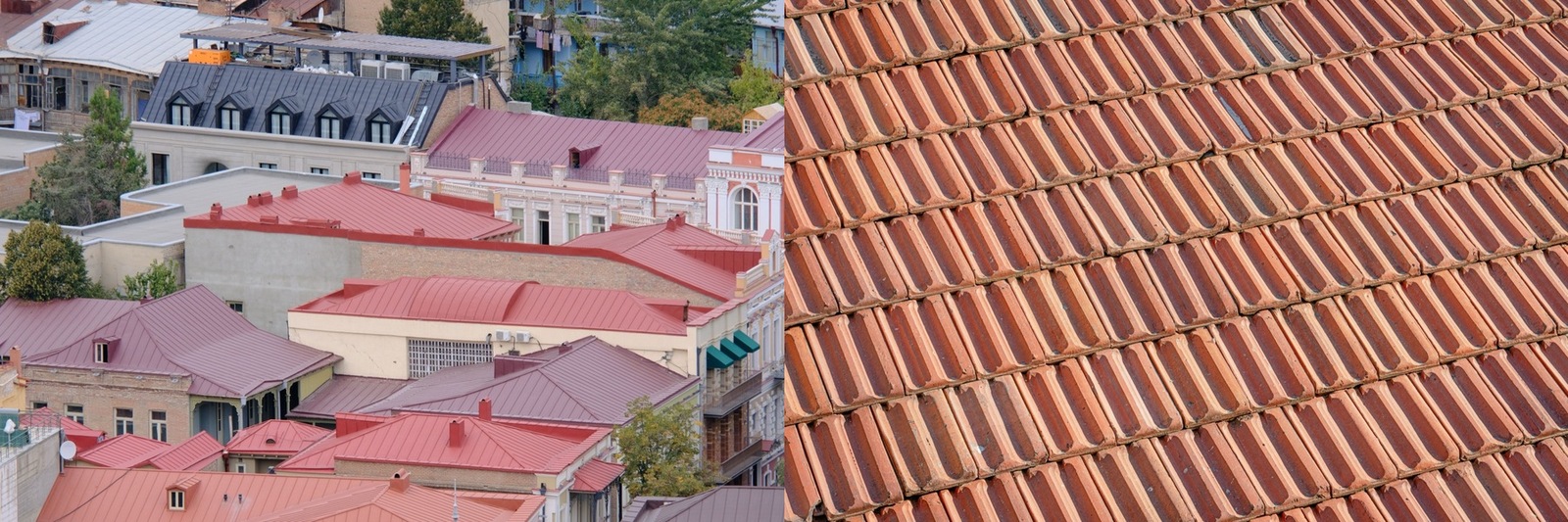
Unlike metal against shingles, this is a fight between two genuinely great tropical roofs. Standing-seam metal is light, storm-ready, and reflective. Clay and concrete tile is heavy, beautiful, and can last a century. Neither is a mistake. The right answer turns on your structure, your budget, and the look you're after.
The quick take
Both are excellent. Choose metal for the lightest, most storm-proof, lowest-maintenance roof, especially on a simpler structure. Choose tile for the longest life, a cooler ventilated roof, and a timeless colonial look, as long as the structure is engineered for the weight.Head to head
| Factor | Metal roof | Tile roof |
|---|---|---|
| Upfront cost | 🟡 ~$80–160/m² | 🟡 ~$60–180/m² (clay higher) |
| Lifespan | 🟢 40–70 years | 🟢 50–100 years |
| Weight | 🟢 Light, easy on structure | 🔴 Heavy, needs engineering |
| Heat / cooling | 🟢 Reflective finish | 🟢 Ventilated air gap keeps it cool |
| Hurricane / wind | 🟢 Excellent when anchored | 🟡 Excellent if clipped; loose tiles fly |
| Maintenance | 🟢 Minimal | 🟢 Minimal (tiles inert) |
| Look | 🟡 Modern / agricultural | 🟢 Classic colonial / Mediterranean |
| Repairs | 🟢 Panel replacement | 🟡 Individual tiles replaceable |
Where the difference lies
The deciding variable is usually weight. A tile roof can weigh several times what a metal roof does, so it has to be planned for from the foundation up. Metal's lightness makes it flexible and cheap to support. Tile's mass buys a cooler, quieter, century-lasting roof but commits the whole structure. On cost they overlap, with clay tile at the top.
How to choose
- Go metal for the lightest, most hurricane-proof roof, a modern look, simpler structures, or coastal sites (with aluminum and coatings).
- Go tile for maximum lifespan, the coolest passive performance, and a colonial look, when the structure is designed for the load.
- Concrete tile is the value middle path: most of tile's benefits for less than clay.
How it plays out in the tropics
Both belong here. They're the two roofs we reach for first. Tile's ventilated gap makes it one of the coolest-running roofs in strong sun, and the tiles ignore humidity. Metal's reflectivity and unbeatable wind performance make it the safer default on exposed or coastal lots, where you'd specify aluminum against salt.
Want a straight recommendation?
SORA builds fixed-price homes for foreign buyers in Panama and Costa Rica. We match the method and material to your site, budget, and how long you plan to keep the house, and tell you straight when the cheaper option is the smarter one.
See 2026 build costs →Frequently asked questions
Is a metal roof or tile roof better for a hot climate?
Both are excellent in heat. Tile creates a ventilated air gap that passively keeps the roof and interior cool, while metal with a reflective finish bounces solar heat away. Tile edges it on passive cooling; metal edges it on weight and storm resistance.
Which lasts longer, metal or tile?
Tile, marginally. Clay and concrete tile can last 50 to 100 years, while metal runs 40 to 70. Both are long-life roofs you'd typically buy only once for a home.
Why does tile roof weight matter?
A tile roof can weigh several times more than a metal roof, so the building's structure and foundation must be engineered to carry it from the start. That's why you decide on tile early; you can't swap a light-roof structure over to tile later without reinforcement.
Sources & verification
Figures in this guide were checked against primary and authoritative sources on 27 July 2026. Immigration, tax, and cost figures change — always confirm the current rules with the official body or a licensed professional before acting.
- Bob Vila — clay vs concrete tile & roofing
- Forbes Home — tile & metal roof cost