Concrete Flat Roofs (Losa)
The poured reinforced slab: Panama's permanent, near-hurricane-proof roof that doubles as a terrace. Extremely durable. Its whole game is waterproofing and drainage.
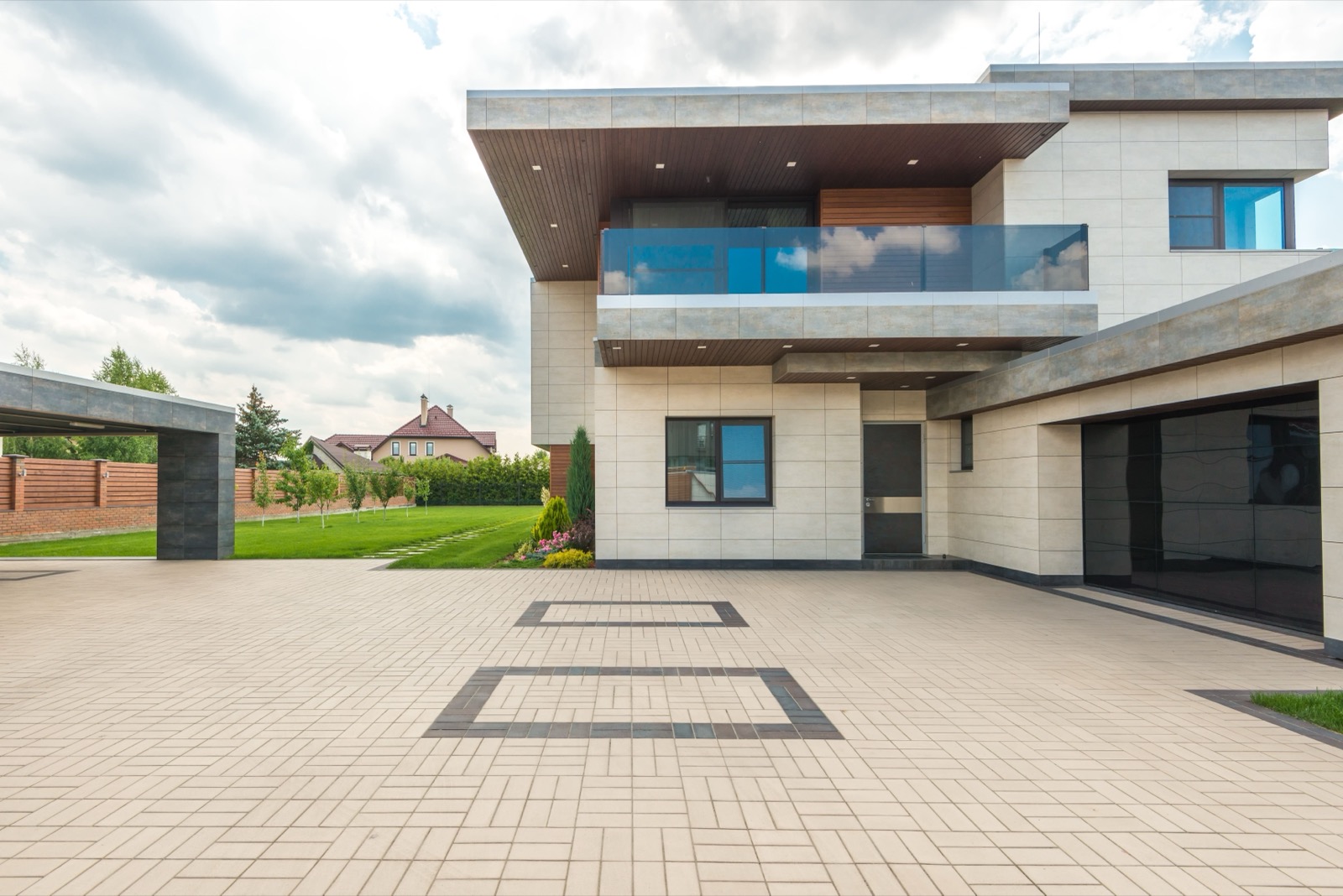
Across Panama and much of Latin America, the default roof isn't tile or shingle. It's a flat reinforced-concrete slab, the losa. It's the same reinforced concrete the walls are built from, poured as a single deck. That makes it close to indestructible, fireproof, immune to termites, and about as hurricane-resistant as a roof gets. It also hands you a flat surface you can stand on: a terrace, a rooftop garden, the floor of a future storey. The one thing a concrete roof demands, relentlessly, is waterproofing and drainage.
At a glance
- The slab almost never fails. The waterproofing does. Nearly every leaking losa is a membrane or drainage problem being blamed on the concrete.
- Treat the coating as a consumable. Acrylic lasts 4–7 years, torch-applied bitumen 10–15, sheet membrane up to 25. Budget the recoat like exterior paint.
- "Flat" roofs are built with a 1–2% fall. Water should clear within 48 hours; if it is still ponding on day three, no coating will save it.
- Cover over the rebar is what kills slabs. Too little and salt reaches the steel, it rusts, expands and blows the concrete off from inside. Preventable at pour time for free.
- Paint it white. The reflective coating and the waterproof layer are the same layer, so the cooling is essentially free.
- It is the most durable roof in a hurricane climate, and it gives you a usable terrace.
How the slab is built
A slab roof gets formed and poured like any suspended concrete floor. Formwork goes up, a grid of steel rebar goes in, then the concrete, which cures before the forms come off. Because it's flat, or nearly so, water won't run off on its own, so the whole system leans on a waterproof membrane, whether sheet, liquid, or acrylic, a slight built-in slope, and drains and scuppers that clear a downpour fast. Insulation and a reflective top coat keep the mass of concrete from soaking up and holding heat.
What a losa costs
Concrete slab roofs sit at $$$ in materials and labour, more than metal or tin upfront, roughly $90 to $170 per square metre for the structural slab plus waterproofing, $8 to $16 a square foot. Costs blur a little because the roof is part of the building's concrete structure. What you're buying is permanence and usable space, and across a 50-plus-year life with decent waterproofing maintenance, the value holds up. Figures move with the span, the thickness, and the finish.
The slab, weighed up
| Factor | Rating | Notes |
|---|---|---|
| Cost | 🔴 | Higher upfront; concrete, steel, and membrane |
| Lifespan | 🟢 | 50-plus years; effectively a permanent structure |
| Hurricane/wind | 🟢 | Nothing to lift or tear; exceptional |
| Fire/termite | 🟢 | Fireproof and termite-proof |
| Usable space | 🟢 | Doubles as a terrace, deck, or future floor |
| Water/drainage | 🔴 | Flat, so it relies on membrane and drains |
| Heat/UV | 🟡 | Mass holds heat; needs insulation and a reflective coat |
| Repairability | 🟡 | Leaks trace to the membrane; re-coat periodically |
| Permitting/finance | 🟢 | The regional standard, no friction |
Waterproofing is the whole job
Here is the single most useful thing to understand about a concrete flat roof: the slab almost never fails. The waterproofing does.
A properly poured, properly reinforced slab will outlive you. The membrane on top of it will not. Nearly every leaking losa in the tropics is a waterproofing or drainage failure being blamed on the concrete.
| System | Cost / m² | Service life | Notes |
|---|---|---|---|
| Acrylic elastomeric coating | $6–12 | 4–7 years | Cheapest, easiest to reapply, also the most reflective |
| Modified bitumen, torch-applied | $12–22 | 10–15 years | The regional workhorse. Needs a skilled installer. |
| Liquid polyurethane membrane | $18–32 | 12–20 years | Seamless, excellent around penetrations |
| Sheet membrane (TPO/PVC) | $22–40 | 18–25 years | Best performance, least common locally |
Treat the coating as a consumable, not part of the structure. Budget a re-coat on a schedule the way you would budget exterior paint. A homeowner who recoats every five years never has a leak. One who waits for a stain on the ceiling is already repairing the slab.
"Flat" roofs are not flat
Every functional flat roof is built with a deliberate fall of 1% to 2%, which is roughly 1 to 2 cm of drop per metre, directing water to drains or scuppers. Get this wrong and water sits in place.
Ponding is the enemy. Standing water finds every pinhole, accelerates membrane breakdown, and in the tropics grows algae that holds still more moisture against the surface. The industry rule of thumb is that water should fully clear within 48 hours of rain stopping. If puddles are still there on day three, the fall or the drains are wrong, and no amount of coating will fix it permanently.
Drains need the same attention. A losa with two scuppers and one blocked leaf screen is a losa with one scupper, and a heavy tropical downpour will find out very quickly. Slabs are heavy, but they are not designed to hold a pond.
What a good slab looks like
| Element | Typical residential spec |
|---|---|
| Slab thickness | 10–15 cm (4–6 in), set by span and load |
| Concrete strength | 3,000–4,000 psi at 28 days |
| Reinforcement | Mesh or #3 to #4 bar, roughly 20–25 cm centres, both directions |
| Cover over the steel | Minimum 2 cm, more near the coast |
| Fall to drainage | 1–2% |
| Cement type near salt water | Type V, sulfate resistant |
The failure that actually kills slabs
Insufficient cover over the reinforcement.
Concrete protects steel chemically as well as physically. When rebar sits too close to the surface, salt and moisture reach it, the steel rusts, and rust occupies far more volume than the metal it replaced. The expanding steel cracks the concrete off from the inside, which is the spalling you see on older coastal buildings, with rusty bars showing through.
It is not repairable in any satisfying way and it is entirely preventable at pour time, for no extra material cost. On a coastal build, watch the chairs holding the steel up before the truck arrives. It is the highest-value ten minutes you will spend on site.
The heat question
A dark concrete slab in full tropical sun becomes a radiator, and its thermal mass means it goes on releasing that heat into the rooms below well after sunset. Three fixes, in ascending order of cost and effect:
- A reflective coating. White elastomeric can drop the surface temperature substantially and it is the same layer that waterproofs, so the marginal cost is near zero. Choose white by default.
- Rigid insulation above the slab, under the membrane. The right way to do it, and it also keeps the slab at a stable temperature, which reduces thermal movement and extends membrane life.
- A ventilated second roof. A light metal or tile roof floating above the slab, with air moving between them. Common on higher-end tropical builds and extremely effective, because the sun never touches the slab at all.
The flip side of that thermal mass is worth stating too: it flattens the daily temperature swing, so a well-insulated losa house stays cool through the afternoon rather than tracking the outside air hour by hour.
Where the risk really sits
A concrete slab roof is engineering, not DIY: formwork, rebar, and a pour. But it's also the roof local builders across Panama know best, because it's how a huge share of homes here already go up. The technical risk isn't the concrete, it's the waterproofing and drainage detailing, which is where flat roofs fail when they fail. Insist on a proper membrane system, enough slope to the drains, and a reflective, insulated top layer so the slab doesn't turn into a heat sink. Done right, it's the most permanent, storm-immune roof you can build, and the only one that hands you an extra floor of living space.
The slab lasts a century. The coating lasts seven years.
Almost every leaking flat roof in the tropics is a maintenance failure, not a construction failure, and the fix costs a fraction of the repair. Build the fall correctly, specify the right membrane, and recoat on a schedule, and a losa is the most durable roof available in a hurricane climate. SORA builds fixed-price homes in Panama and Costa Rica and will tell you exactly what your roof needs and when.
See 2026 build costs →Frequently asked questions
Do flat concrete roofs leak?
Only when the waterproofing fails. The slab itself is durable and impervious, but because it's flat, water can't run off on its own, so the roof depends on a sound membrane, a slight slope, and working drains. Maintained properly, with periodic re-coating, a concrete roof stays dry for decades.
Is a concrete roof good in hurricanes?
Exceptionally. A monolithic reinforced-concrete slab has nothing to lift, tear, or blow away, so it's among the most storm-resistant roofs there is. It's also fireproof and termite-proof, which adds to its appeal in the tropics.
Does a concrete flat roof make the house hot?
It can, because concrete's mass absorbs and holds heat. The fix is standard practice: insulation above or below the slab and a reflective, often white, top coat, which together stop the mass from radiating heat into the rooms below.
Sources & verification
Figures in this guide were checked against primary and authoritative sources on 27 July 2026. Immigration, tax, and cost figures change — always confirm the current rules with the official body or a licensed professional before acting.
- Bob Vila — flat roof types, materials & cost
- Forbes Home — flat roof cost & waterproofing