Tin & Corrugated Metal Roofs
The affordable workhorse of Latin American roofs. Cheap, quick, and it sheds rain beautifully. Done right it's a genuinely good tropical roof; done cheap it's hot and rusts. The straight version.
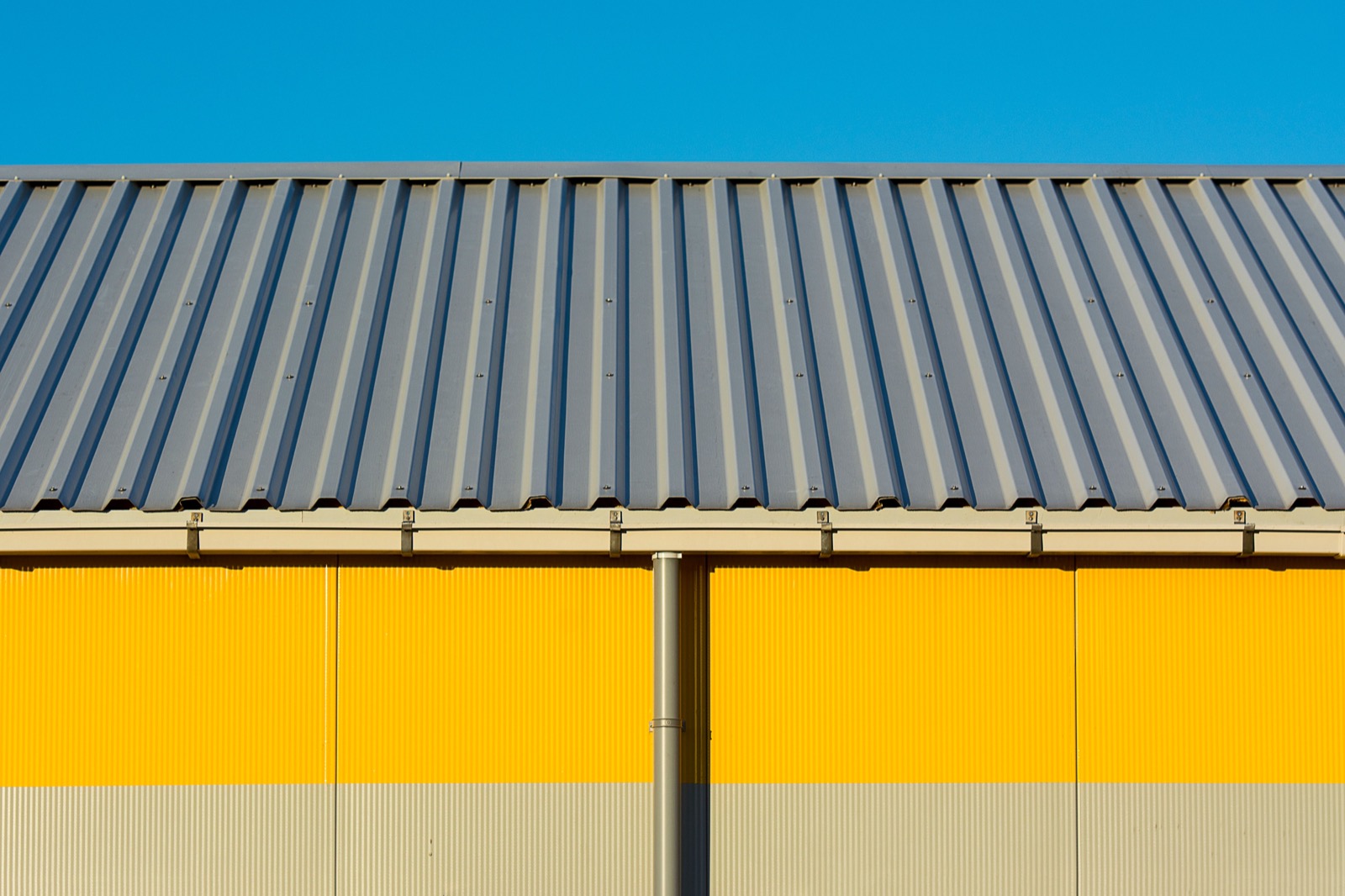
- “Tin” hasn’t been tin in a century. You are buying galvanised steel or Galvalume, and which one you buy is most of the decision.
- Roughly $25–$60 per m² installed ($2.50–$5.50 per sq ft). Cheapest durable roof there is.
- Lifespan swings from 15 years to 40 on coating and how close you are to salt. Same sheet, same installer, wildly different outcome.
- Exposed screws are the weak point. Every one is a hole, and thermal cycling loosens them over years.
- Bare sheet over open purlins is an oven and a drum. Both of those are install choices, not properties of metal.
Nobody has roofed with tin in about a century. What people mean is corrugated or ribbed sheet — galvanised steel or zinc-aluminium, screwed to purlins in a wavy or trapezoidal profile. It is the most common roof in Latin America for three excellent reasons: it is cheap, it goes up in days, and it sheds tropical rain without complaint. Spec it properly and it is a smart roof. Spec it by price alone and you will feel every degree and hear every raindrop for the next twenty years.
What’s under a corrugated roof
Sheets get screwed to timber or steel purlins, each fastener fitted with a neoprene washer, and overlapped at the sides and ends so water runs off rather than in.
That is the whole system, and it is why the roof is cheap. It is also why details matter more here than on any other roof type: there is no membrane doing the work behind the scenes. The sheet, the laps and the screws are the roof.
What a corrugated roof costs
Around $25 to $60 per square metre installed, which is $2.50 to $5.50 a square foot. For comparison, standing seam metal starts around $12 and clay tile lands higher still. Nothing durable is cheaper.
Insulated sandwich panels cost more, and they are the single upgrade that changes how the house feels to live in. Everything else on this page is about making the cheap version last.
The decision that decides everything
Two sheets can look identical on the rack and last twenty-five years apart. The difference is what is on the steel.
Galvalume is a zinc-aluminium alloy coating rather than plain zinc, and it holds up far better against salt. If you can see the ocean from your lot, this is not an upgrade, it is the baseline.
Corrugated metal, rated
| Factor | Rating | Notes |
|---|---|---|
| Cost | 🟢 | $2.50–$5.50/sq ft installed. Nothing durable beats it |
| Speed | 🟢 | A small crew roofs a house in days |
| Availability | 🟢 | Stocked in hardware stores across the region |
| Water shedding | 🟢 | Handles tropical downpours without thinking |
| Lifespan | 🟡 | 15 to 40 years, decided almost entirely by coating |
| Heat | 🔴 | Bare sheet radiates straight into the house. Insulation is not optional |
| Noise | 🔴 | Loud over open purlins. Quiet over a deck. Your choice |
| Salt | 🔴 | Thin coatings rust within sight of the sea |
| Wind | 🟡 | Exposed screws loosen over time; fastening pattern is everything |
| DIY-friendly | 🟡 | Simple to lay, easy to get the edges wrong |
The three things cheap jobs skip
Laying the sheets is the easy part. The corrugated roofs people complain about failed on one of these three, and all three are decided before anyone climbs a ladder.
Insulation. A bare sheet absorbs sun and radiates it down into your rooms. A foil-and-foam layer, or an insulated sandwich panel, changes the house from uncomfortable to pleasant. It also kills most of the rain noise, since the drumming everyone associates with metal roofs is really the sound of a thin sheet vibrating over empty air.
Coating matched to the salt. See the chart. Inland, basic galvanised is defensible. Near the coast it is a false economy that you will pay for twice.
The fastening pattern. Each exposed screw is a deliberate hole in your roof, sealed by a rubber washer. That washer has to survive years of thermal cycling, and the screws themselves work loose as the sheet expands and contracts in tropical heat. Use a wind-rated pattern, generous overlaps, and plan to have someone walk the roof and re-torque fasteners every few years. That single habit is the difference between a roof that leaks at year eight and one that does not.
Cover those three and corrugated metal is a sharp choice for a tropical build. If you want the same material without exposed fasteners, standing seam hides the clips entirely — at roughly three times the price.
Building on a budget without cutting the wrong corners?
SORA builds fixed-price homes for foreign buyers in Panama and Costa Rica. We match the roof to your site, your distance from salt water, and how long you actually plan to keep the house.
See 2026 build costs →Frequently asked questions
Is a corrugated metal roof good in a hot climate?
Only with insulation. Bare sheet absorbs sun and radiates it straight down into the rooms below. Add a foil-and-foam layer or use insulated sandwich panels and it performs well. Skip that to save money and you will run air conditioning to fix a problem you created.
How long does it actually last?
Anywhere from 15 to 40 years, and coating decides where you land far more than the installer does. Basic galvanised sheet near the coast is at the bottom of that range. Galvalume or aluminium inland is at the top. If you can see the sea from your lot, pay for the better coating.
Is it noisy when it rains?
Over open purlins, yes, and that drumming is what everyone remembers. Over a deck with insulation it drops sharply. The noise is a construction decision, not something inherent to metal roofing.
What is the weak point?
The screws. Each one is a hole through your roof sealed by a rubber washer, and tropical thermal cycling works them loose over years. Budget for someone to walk the roof and re-torque fasteners every few years, and check the washers while they are up there.
Sources & verification
Figures in this guide were checked against primary and authoritative sources on 7 September 2026. Immigration, tax, and cost figures change — always confirm the current rules with the official body or a licensed professional before acting.
- Bob Vila — corrugated metal roofing overview
- Forbes Home — metal roof types and installed costs
- DECRA — wind resistance and uplift by roof type