Shipping Container vs Tiny Home
Two paths to a small, affordable dwelling: a steel box conversion or a purpose-built tiny house. One is tougher and more modular; the other is comfier and freer to design.
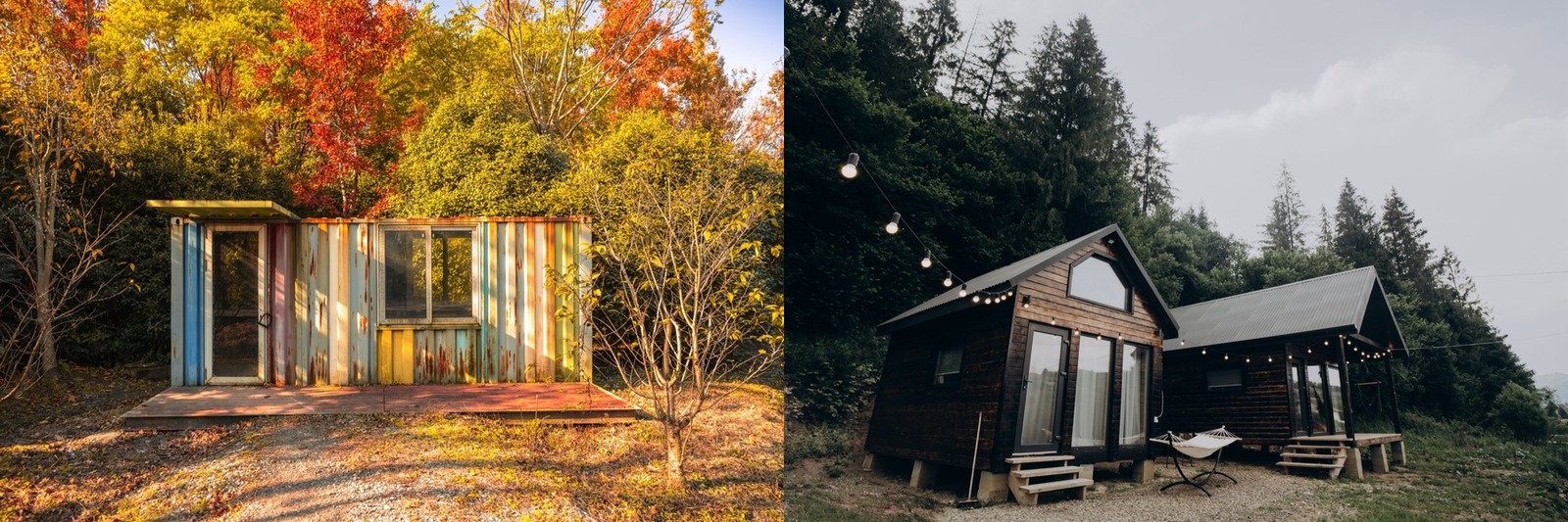
If you want a small, affordable dwelling, a casita, a rental, or a first build on your land, two routes dominate: convert a shipping container, or build a purpose-built tiny home. The container is tougher and stackable. The tiny home is more comfortable and freer to design. In the tropics, comfort and heat decide it.
Quick take
For a comfortable small home in the tropics, a purpose-built tiny home usually wins, because it's designed for livability and easy to cool. A container is tougher, modular, and industrial-cool, but its steel shell needs serious insulation to be comfortable in tropical heat, which narrows the cost gap.Point by point
| Factor | Shipping container | Tiny home (purpose-built) |
|---|---|---|
| Starting point | Repurposed steel box | Built to be a home |
| Cost (finished) | 🟡 ~$1,500–3,000/m² | 🟡 ~$1,000–2,500/m² |
| Heat / climate fit | 🔴 Steel bakes without insulation | 🟢 Easy to cool and cross-ventilate |
| Durability | 🟢 Very strong, stackable | 🟡 As durable as the build method |
| Design freedom | 🟡 Constrained by box size | 🟢 Any shape or layout |
| Moisture / rust | 🔴 Steel rusts in humidity/salt | 🟢 No steel shell to rust |
| Modularity | 🟢 Stack and combine boxes | 🟡 Harder to expand |
What actually changes
A container gives you an incredibly strong, stackable, modular steel shell, great if you love the industrial look or want to combine units, but that steel is the problem in the tropics: it's an oven without heavy insulation and it rusts in humid, salty air. A purpose-built tiny home starts from comfort. It can be any shape, cross-ventilated, shaded, and built in whatever method suits the site, including cool, termite-proof concrete.
Where each one wins
- Go container for a small, modern, design-forward build where the industrial look is the point, and budget for insulation and corrosion protection.
- Go tiny home for everyday comfort, easy cooling, and freedom in the layout, especially as a casita you'll actually live in.
- Both make good first builds or rentals on tropical land.
Under a tropical sun
Both make good casitas or first builds here, but the climate tilts toward the tiny home for daily comfort, since it's easier to keep cool and free of rust worries. A container home works beautifully when it's done right, with a ventilated over-roof, real insulation, and corrosion protection, and the modern-industrial look is what you want.
Weighing this for a real project?
SORA builds fixed-price homes for foreign buyers in Panama and Costa Rica. We match the method and material to your site, budget, and how long you plan to keep the house, and tell you straight when the cheaper option is the smarter one.
See 2026 build costs →Frequently asked questions
Is a container home or tiny home cheaper?
They end up close once finished. A container shell is cheap, but insulating, cladding, and cooling it for the tropics adds up. A purpose-built tiny home costs a bit less per square metre and is designed for comfort from the start. Neither is dramatically cheaper once livable.
Which is better in a hot climate, a container or tiny home?
A purpose-built tiny home is generally easier to keep cool, because it can be shaped, ventilated, shaded, and built in cooler materials. A container's steel shell absorbs heat aggressively and needs substantial insulation and ventilation to be comfortable in the tropics.
Can a shipping container home be a good casita in Panama or Costa Rica?
Yes, if done right, with a ventilated over-roof, proper insulation, and corrosion protection against humidity and salt. Done cheaply it's hot and rust-prone. For a small dwelling you'll live in daily, a well-designed tiny home is often the more forgiving option.
Sources & verification
Figures in this guide were checked against primary and authoritative sources on 27 July 2026. Immigration, tax, and cost figures change — always confirm the current rules with the official body or a licensed professional before acting.