Rammed Earth Homes
Damp earth compacted in layers into striped, monolithic walls that make concrete look ordinary. Gorgeous, durable, expensive — and its famous thermal mass is a bet on your site's average temperature, not on the tropics in general.
- Damp subsoil, usually with 5–10% cement, tamped in layers inside formwork until it sets solid. The wall is structure, insulation behaviour and finish in one object.
- Budget $60–$180 per sq ft installed for walls, and $250–$450+ per sq ft for a whole house. Soil testing and stabiliser add another $1,000–$4,000.
- Thermal mass parks your interior near the 24-hour average outdoor temperature. That is a gift at 1,200 m and a problem at sea level.
- Australia's national building guidance flatly does not recommend rammed earth for tropical climates, and its insulation value is close to an uninsulated fibre cement wall.
- Our verdict: excellent in Boquete and Volcán. Fighting physics in Bocas or Pedasí.
Rammed earth is subsoil compacted into stone. You put damp earth in a form, tamp it in thin lifts until it is dense, move the form up, and repeat. What you get is a monolithic load-bearing wall with horizontal striations that no paint or cladding could imitate. Architects love it, it is having a genuine 2026 moment, and there are two things about it that most guides get wrong: what it costs, and where it belongs.
How it's formed
Formwork goes up first, and it has to be serious formwork — compaction generates real pressure. Moist soil, usually stabilised with 5 to 10% cement, goes in as 10 to 15 cm lifts. Each lift gets tamped until it rings solid, by hand traditionally, pneumatically now.
The forms climb as the wall rises. Every lift leaves a visible line, which is why the finished wall looks geological. Nothing goes over it afterwards. No drywall inside, no siding outside, no paint on either face.
That last point is easy to skip past and it matters to your budget. When you compare a rammed earth quote to a block quote, you are comparing one number that already includes both finished surfaces against one that does not.
What a rammed earth wall costs
The soil is nearly free. Everything else is not.
Published 2026 ranges for installed walls run from about $50 to $225 per square foot, with most credible work landing at $60 to $180 and a commonly quoted average near $86. In metric that is roughly $450 to $800 per m². A turnkey rammed earth house is generally quoted at $250 to $450+ per square foot.
Wall thickness and finish drive most of the spread. A 12 inch wall costs less than an 18 inch one. Oxide pigments and precise lift lines cost more than a plain grey mix. And before any of that, expect $1,000 to $4,000 for soil testing and stabiliser, because the whole method depends on the clay-sand-gravel balance being right.
One thing to demand in any quote: the exact cement or lime percentage, and the pigment programme if there is one. A builder who cannot tell you their stabiliser ratio has not engineered the mix.
The thermal mass bet
This is the section that should decide it for you, and it is the one most rammed earth writing gets backwards.
Thermal mass does not make a building cool. It makes a building slow. A heavy wall absorbs heat through the day and releases it at night, and the effect is that the inside of the house drifts toward the 24-hour average of the outside air. In a desert, where it is 38°C at noon and 12°C at 3am, that averaging is close to magic. You get a house that sits at a pleasant middle while the outside swings wildly.
Now run the same maths on a humid tropical coast. The swing is small and the average is high. The wall does its job perfectly and delivers you an interior that sits at the mean — which is exactly the temperature you were trying to escape.
Two of these places are a reason to build in earth. Two of them are a reason not to.
The measured evidence backs this up. Australia's national YourHome guidance states plainly that rammed earth is not recommended for tropical climates, and notes its insulation value is comparable to an uninsulated fibre cement wall. When researchers ran cement-stabilised earth blocks through simulated tropical-humid cycles, the best mix managed a thermal time lag of only about 0.9 hours. In the right climate, rammed earth delivers ten to twelve.
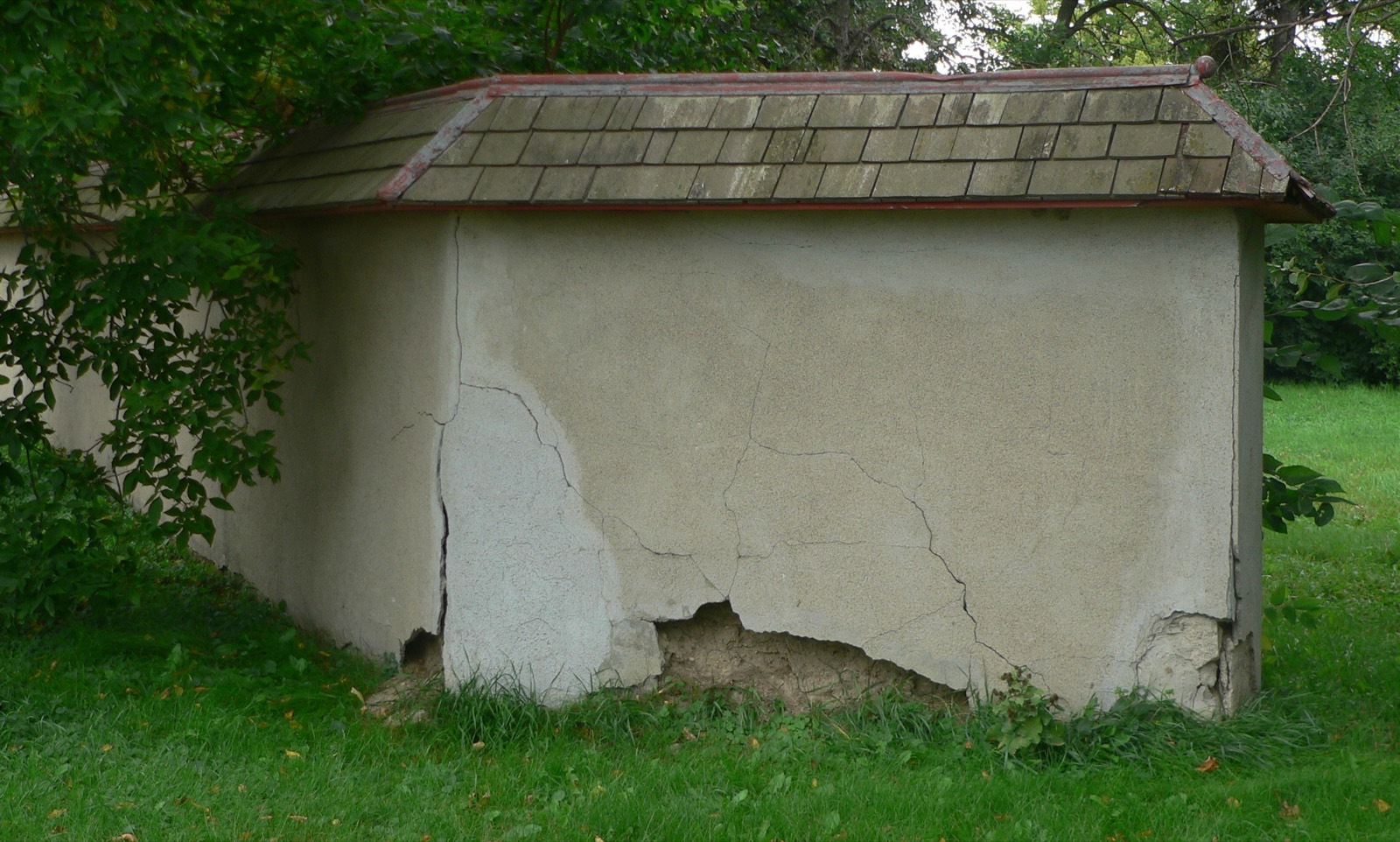
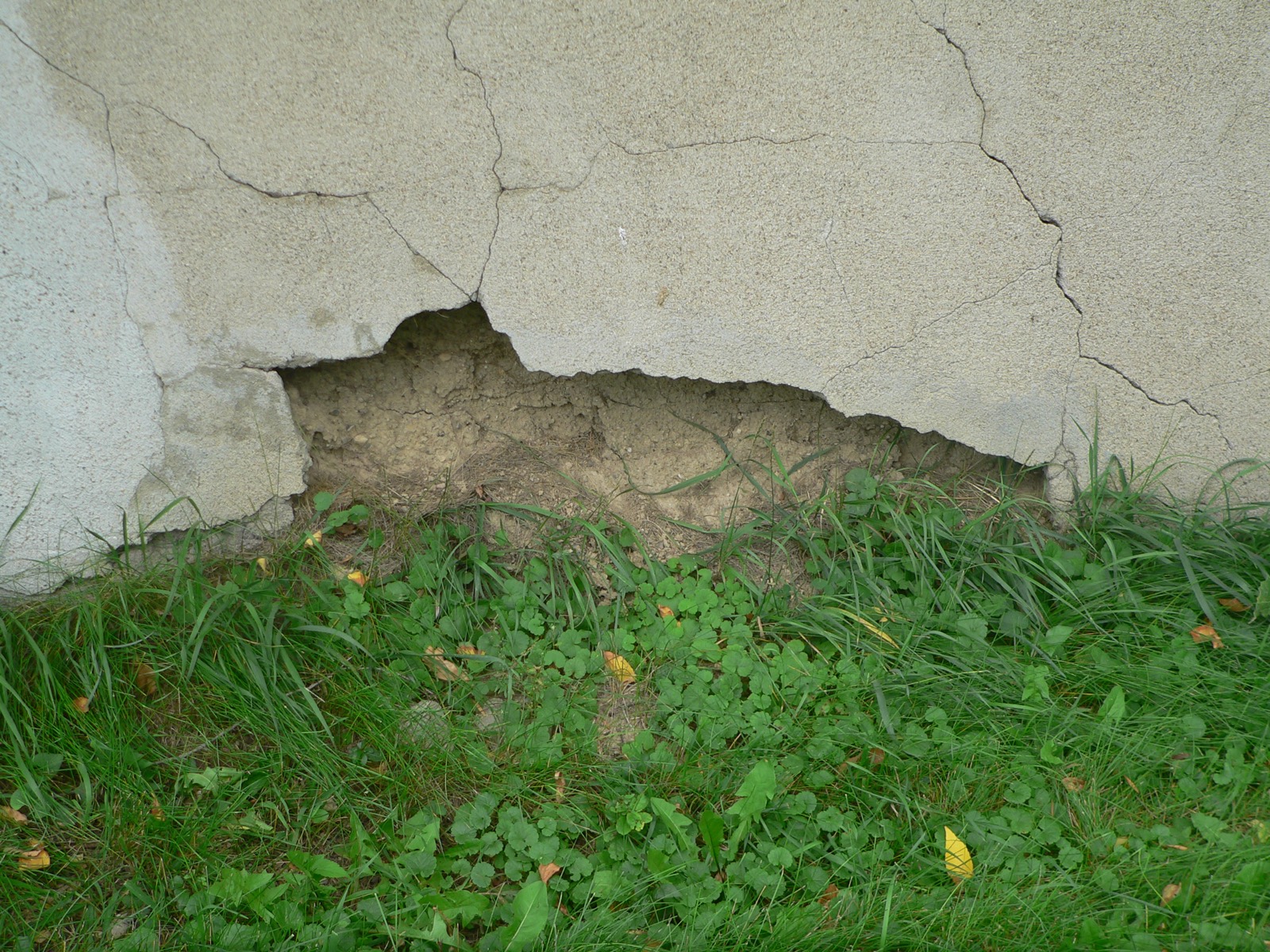
There is a second problem, and it is the one that gets expensive later. Sustained moisture can reverse cement stabilisation and let the clays swell, and thermal conductivity rises with moisture content. In other words, humid air slowly erodes the exact performance you paid a premium for. You can waterproof the wall right through, but then it stops breathing, and breathability was part of the appeal.
Where it wins and loses
| Factor | Rating | Notes |
|---|---|---|
| Cost | 🔴 | $60–$180/sq ft installed. Labour, formwork and skill, not material |
| Aesthetics | 🟢 | Nothing else looks like it, and it needs no finish |
| Highland fit (900 m+) | 🟢 | Cool mean temperature is exactly what mass wants |
| Humid lowland fit | 🔴 | High mean temperature, small swing, saturated air |
| Insulation value | 🔴 | Roughly an uninsulated fibre cement wall unless you add a core |
| Lifespan | 🟢 | Decades to centuries when the base and cap are detailed right |
| DIY-friendly | 🔴 | Wrong soil or wrong moisture and it crumbles or cracks |
| Rain exposure | 🟡 | Fine when capped and plinthed. Punishing when not |
| Seismic | 🟡 | Engineerable with rebar, but it is heavy mass in a shaking zone |
| Permitting & finance | 🟡 | Easier than adobe. It behaves enough like concrete to sign off |
What building it takes
Do not treat this as a DIY method. Four things have to be right at once: the clay-sand-gravel balance in the soil, the moisture content of the mix, the compaction energy per lift, and formwork stiff enough to take the pressure. Miss any one and the wall crumbles or cracks, and you find out months later.
The permitting news is better. Because rammed earth can be cement-stabilised and steel-reinforced, a structural engineer can analyse it with familiar tools and stamp it. That puts it well ahead of adobe or cob for anyone who needs a permit and a mortgage rather than a hand-built retreat.
If you are set on earth walls in a warm, wet place, the literature points one way: build a composite wall. Insulation inserted into the core measurably improves indoor comfort, and composite assemblies outperform plain stabilised earth across seasons. You also want deep overhangs, a properly waterproof plinth, and cross-ventilation designed in from the start rather than bolted on.
Where it works here
Take the highlands seriously. In Boquete, Volcán and Cerro Punta, the yearly mean sits in the high teens to low twenties, the nights genuinely cool off, and a heavy wall holding you at the average is doing you a favour instead of trapping you. Add the fact that these places have real clay subsoils and it is one of the better arguments for earth building anywhere in Central America.
On the coasts, be honest with yourself. Bocas, Pedasí and the Azuero are places where tropical vernacular architecture went light for good reasons — elevated floors, thin walls, huge overhangs, and air moving through the house all day. A rammed earth wall works against every one of those instincts and costs more to do it. If you want the look at sea level, put earth on one or two feature walls and let a ventilated lighter system do the actual work.
Building in the highlands, where earth walls actually make sense?
Boquete and Volcán are the part of Panama where thermal mass earns its keep. We can price a rammed earth feature wall against full stabilised earth against our standard reinforced concrete, so you can see what the look actually costs you.
See real 2026 build costs →Frequently asked questions
Why is rammed earth expensive if the material is dirt?
Because you are not buying dirt, you are buying labour, formwork and expertise. Building the forms, testing and mixing the soil, and tamping it in thin lifts is slow specialised work. That pushes installed walls to roughly $60 to $180 per square foot, at or above good conventional construction.
Is rammed earth good for hot climates?
It depends entirely on the day-night swing, not on the heat. Mass drifts your interior toward the 24-hour average outdoor temperature, which is wonderful in a dry climate that swings hard and unhelpful in humid air that barely moves. Australia’s national building guidance does not recommend rammed earth for tropical climates.
Would it work in Boquete or Volcán?
Yes, and this is where we would actually consider it. Highland Chiriquí sits near 25°C by day and the mid-teens at night, so the yearly mean is around 20°C. A wall that holds you at that average is doing exactly what you want. The coast is a different argument.
Does rammed earth hold up to rain and earthquakes?
Stabilised, capped and reinforced, it is durable and can be engineered for seismic zones. The weak points are the base and the top: driving rain at an unprotected plinth, and any detail that lets water sit. Sustained moisture can also reverse the cement stabilisation over time, so waterproofing the base is not optional.
Can you insulate a rammed earth wall?
Yes, and in a warm humid climate you should. Insulated composite walls, with a core between two earth leaves, measurably improve indoor comfort and outperform plain stabilised earth across seasons. It costs more and it is the difference between a wall that works and a wall that just looks good.
Sources & verification
Figures in this guide were checked against primary and authoritative sources on 6 September 2026. Immigration, tax, and cost figures change — always confirm the current rules with the official body or a licensed professional before acting.
- YourHome — Australian Government national guidance on rammed earth, insulation value and climate fit
- Energy & Buildings (2025) — systematic review of thermal performance in rammed earth structures
- Bighorn Rammed Earth — 2026 cost guide, walls and whole homes
- Weather Spark — Bocas del Toro year-round temperature record