Moving to Sint Maarten / St-Martin in 2026
The only island shared by two countries, where a twenty-minute drive north can change your tax bill by fifty points. The Dutch 10% retiree regime, the residency routes, and the deadline that voids it.
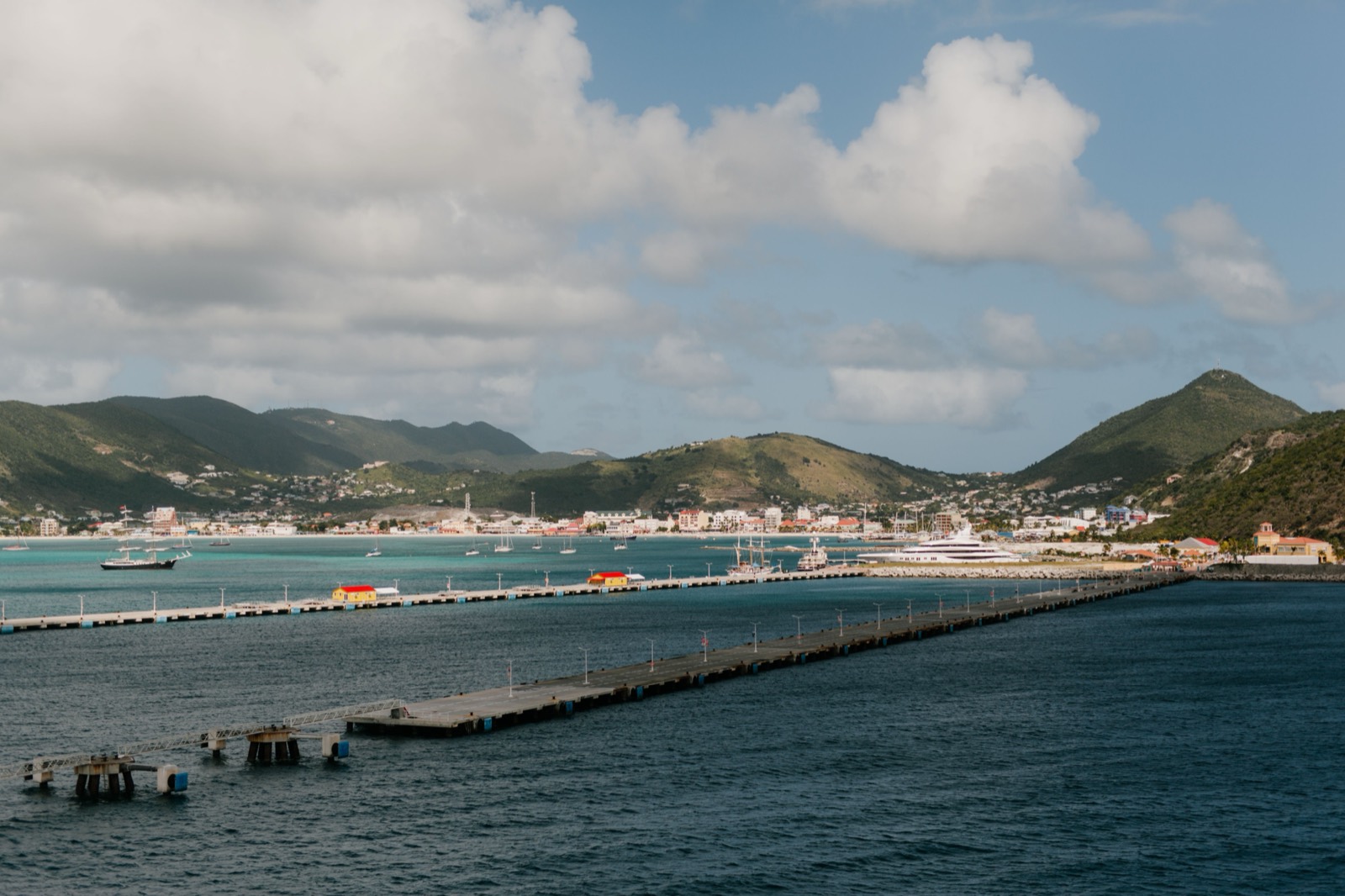
Quick take
- The splitOne 87 km² island, two countries. Dutch south, French north, open border, two tax systems.
- Retiree taxThe Dutch Penshonado regime taxes qualifying income at 10%.
- The trapYou have 18 months to buy a NAF 450,000 property or the regime is voided retroactively.
- Cost of livingHigh. Roughly $3,000 to $4,500 a month for one person.
- Getting thereSXM reopened its rebuilt terminal in November 2024. Three to four hours from most US hubs.
- Best forRetirees over 50 with foreign income, and business owners who want a US-dollar base near Miami.
Sint Maarten and Saint-Martin share 87 square kilometres and almost nothing else. The southern half belongs to the Kingdom of the Netherlands. The northern half is France, and therefore the European Union. You can drive across the border without noticing it, and people do, daily. What does not cross the border is your tax status, your residence permit, or your healthcare entitlement. For anyone moving here, choosing a side is not a lifestyle preference. It is the single largest financial decision of the move.
Dutch south or French north: the fifty-point question
The Dutch side levies no property tax, no capital gains tax, and no inheritance tax, with income tax on a progressive scale topping out near 47.5%. The French side runs on French law: income tax to 45%, plus social charges of about 17.2% on top, a wealth tax on property above €1.3M, and EU VAT.
Top marginal rates, same island
Headline top-of-scale rates, not effective rates on any particular income. The French figure combines the 45% top band with roughly 17.2% social charges.
Twenty minutes of driving separates the top and bottom bars. That is the whole story of this island in one picture, and it is why the overwhelming majority of relocating retirees choose the Dutch side. Note also that a residence permit on one side grants you nothing on the other, so pick before you sign a lease.
The Penshonado regime, and the deadline that voids it
The draw is legitimate and government-sanctioned: qualifying retirees pay a flat 10% instead of a scale that otherwise reaches about 47.5%. To qualify you must be 50 or older (or have a spouse or registered partner who is), you must have lived outside Sint Maarten for at least 60 consecutive months beforehand, and you must register with the Tax Inspector within two months of entering the population register.
The 18-month clock people miss
Within 18 months of registration you must own a Sint Maarten property worth at least NAF 450,000 (roughly US$250,000) and use it personally. This is not a soft target. Miss it and the regime is forfeited retroactively for the period concerned, which means a retroactive tax bill at the full scale on income you had already planned around at 10%.
Two months to register, eighteen months to buy. Put both dates in a calendar the week you arrive.
Be careful with what you read elsewhere on this. Advisory firms publishing on Penshonado disagree on whether the 10% applies to total worldwide gross income or only to foreign-source income, and at least one asserts an additional requirement to transfer US$400,000 into the country. Those are not small discrepancies, and most of the firms publishing them are selling the service. Confirm the current rules with the Belastingdienst Sint Maarten directly, or pay an independent adviser who is not also your agent.
One point that catches Americans in particular: US citizens and green-card holders are taxed by the IRS on worldwide income regardless of where they live. Penshonado reduces your Sint Maarten liability. It does not make you tax-free.
Getting residency on the Dutch side
Unlike much of the Caribbean, Sint Maarten does not ask you to buy government bonds or donate to a fund. It looks at income, property, and presence.
- AVVR, the financially independent route: stable income of at least ANG 150,000 a year plus qualifying property. Renewable in one to three year terms.
- Investor: the same roughly US$250,000 real estate minimum, at any age.
- Managing Director: establish a local company. US citizens get a smoother path here through the Dutch-American Friendship Treaty. Permanent residence follows after five years.
Most Western nationals can enter visa free for 90 days in any 180 to scout the island, which is the right way to start. That stay establishes nothing legally, so do not let a real estate agent tell you otherwise.
What it costs, and why
This is one of the pricier bases in the region: roughly $3,000 to $4,500 a month for a single person living comfortably. A one-bedroom runs $900 to $1,400. Almost everything arrives by ship or plane, so groceries, building materials, and especially cars carry heavy import duties. Budget for the car separately and expect to pay well above US sticker.
The upside of the price is real. The island is 20 minutes end to end, the US dollar circulates freely on the Dutch side, English is spoken everywhere, and you are three to four hours from most East Coast hubs.
Medical care on a two-country island
Both halves have hospitals: the St. Maarten Medical Center in the south and a full French facility in the north, which is a genuine advantage over most islands this size. Complex care still means flying, usually to Puerto Rico, Miami, Martinique, or the Netherlands. Private international insurance runs about $300 to $600 a month and should include evacuation cover.
Where people settle
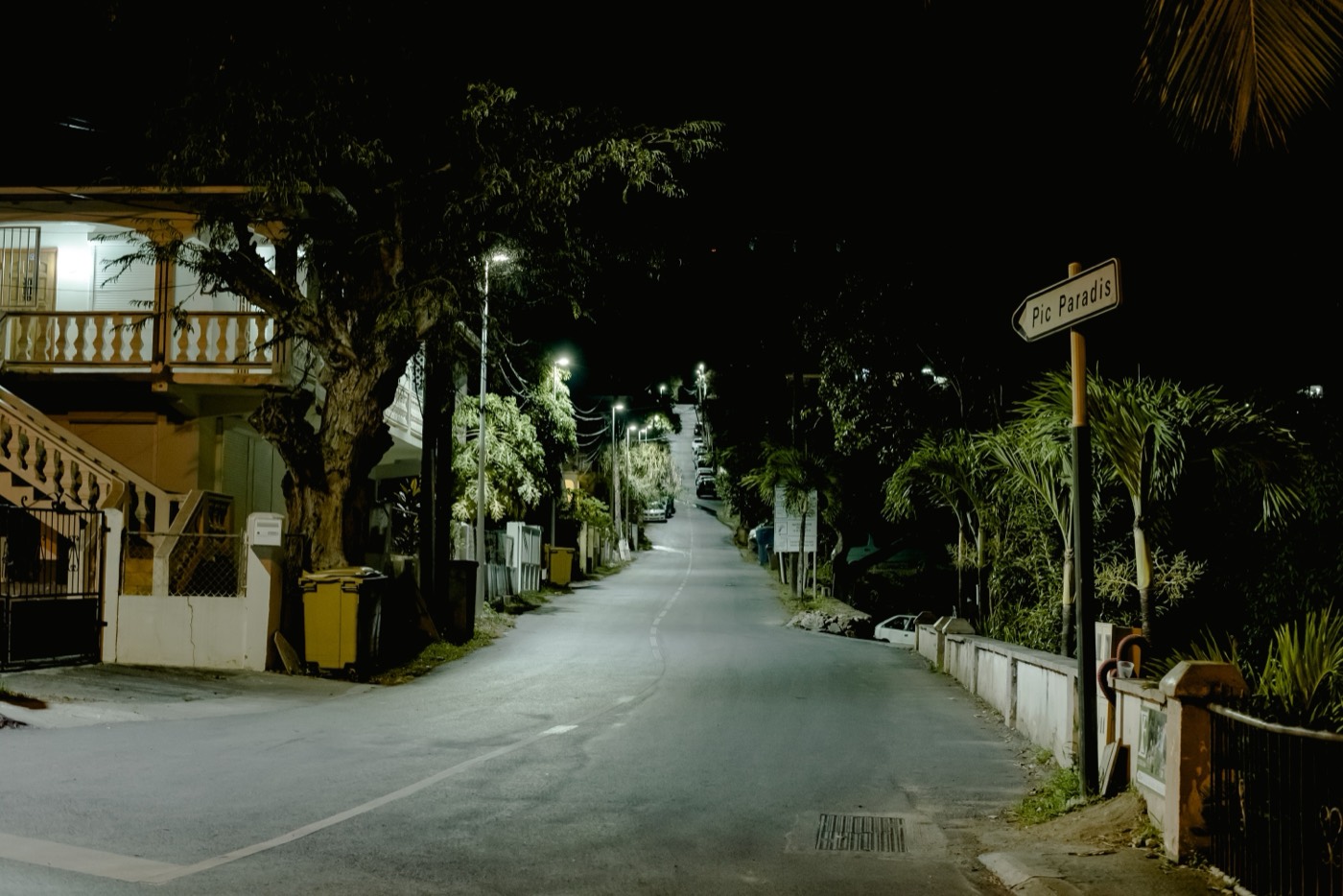
Cupecoy, Simpson Bay, and Indigo Bay on the Dutch side are the established, secure residential areas and hold most of the expat market. The French side is quieter, more residential, and more French in every sense, including the paperwork.
Air access recovered impressively. Hurricane Irma destroyed the Princess Juliana terminal in 2017, and the rebuild took seven years through a pandemic and several changes of leadership before the reconstructed terminal fully reopened in November 2024. Traffic climbed from 1.6 million passengers in 2024 to about 1.8 million in 2025, against a design capacity of 2.5 million. The famous approach over Maho Beach survived the rebuild.
The builder's read
Irma is the reference event here, and it should shape what you buy. The island rebuilt to tougher standards afterwards, but plenty of pre-2017 stock did not get upgraded, only repaired. If you are buying to satisfy the NAF 450,000 Penshonado threshold, resist the temptation to treat the purchase as a box to tick. Have the roof structure and window systems inspected specifically for post-Irma compliance.
Also worth pricing: a January 2026 regional airspace closure grounded hundreds of flights here for a day. Small islands have single points of failure. Keep that in mind if your plan depends on being able to leave on any given morning.
Is Sint Maarten right for you?
- Strong fit if: you are over 50 with foreign income and can meet the Penshonado conditions on time, or you run a business and want a US-dollar, English-speaking base three hours from Miami.
- Think hard if: you would end up a French-side tax resident on a high income, you need a low cost of living, or you cannot commit US$250,000 to property inside 18 months.
The honest summary is that this island rewards preparation more than most. Get the side right, get the dates right, and it is one of the better tax and lifestyle combinations in the Caribbean. Get them wrong and you will have paid resort prices for a retroactive tax bill.
A $250,000 property deadline is a bad time to learn about building here
Penshonado gives you 18 months to own the right home, which is not long to find, vet, and close on a house in a market this small. SORA designs and builds homes across the tropics, with our deepest roots in Panama and Costa Rica, where residency is straightforward and building costs a fraction of the coastal Caribbean. If the move is really about a place of your own in the sun, it is worth seeing what a fixed-price build looks like before you commit to any one island.
Frequently asked questions
Should I move to the Dutch or French side of St Martin?
For most retirees and expats seeking tax efficiency, the Dutch side is the clear choice: no property, capital gains, or inheritance tax, plus the 10% Penshonado regime. The French side runs on French law, with income tax to 45% plus roughly 17.2% social charges and a wealth tax above 1.3M euro. The border is open, but a permit on one side grants nothing on the other.
What is the Sint Maarten Penshonado program?
A Dutch-side regime taxing qualifying retiree income at a flat 10% instead of a scale reaching about 47.5%. You must be 50 or older, have lived outside Sint Maarten for the prior 60 months, register with the Tax Inspector within two months, and own a local property worth at least NAF 450,000 (about US$250,000) within 18 months.
What happens if I miss the Penshonado property deadline?
The regime is forfeited retroactively for the period concerned, meaning a back tax bill at the full progressive scale on income you had planned around at 10%. The clock is 18 months from registration in the population register. Advisory firms also disagree on whether the rate applies to worldwide or foreign-source income, so confirm directly with the Belastingdienst Sint Maarten.
How do you get residency in Sint Maarten?
Common routes are the AVVR for the financially independent (income of at least ANG 150,000/year plus qualifying property), an investor route (~US$250,000 in real estate, any age), or the Managing Director route by establishing a local company. Permanent residence follows five years of lawful residence.
How much does it cost to live in Sint Maarten?
It is one of the pricier Caribbean bases: roughly $3,000 to $4,500 a month for one person, driven by rent (a one-bedroom is $900 to $1,400) and imports. Cars carry steep duties. The offsets are a 20-minute island, the US dollar, English everywhere, and three to four hours to most East Coast hubs.
Sources & verification
Figures in this guide were checked against primary and authoritative sources on 27 July 2026. Immigration, tax, and cost figures change, so always confirm the current rules with the official body or a licensed professional before acting.
- Government of Sint Maarten · official Dutch-side residency and Penshonado authority
- Préfecture de Saint-Martin (France) · official French-side administration
- US State Department · travel advisory level and entry requirements
- World Bank · Princess Juliana terminal reconstruction case study
- Princess Juliana International Airport · terminal reopening and passenger volumes