Moving to St Kitts & Nevis in 2026
Home of the world's oldest citizenship-by-investment program (since 1984), zero income tax, one of the Caribbean's strongest passports, and Level-1 safety. Here's the cost and the fine print.
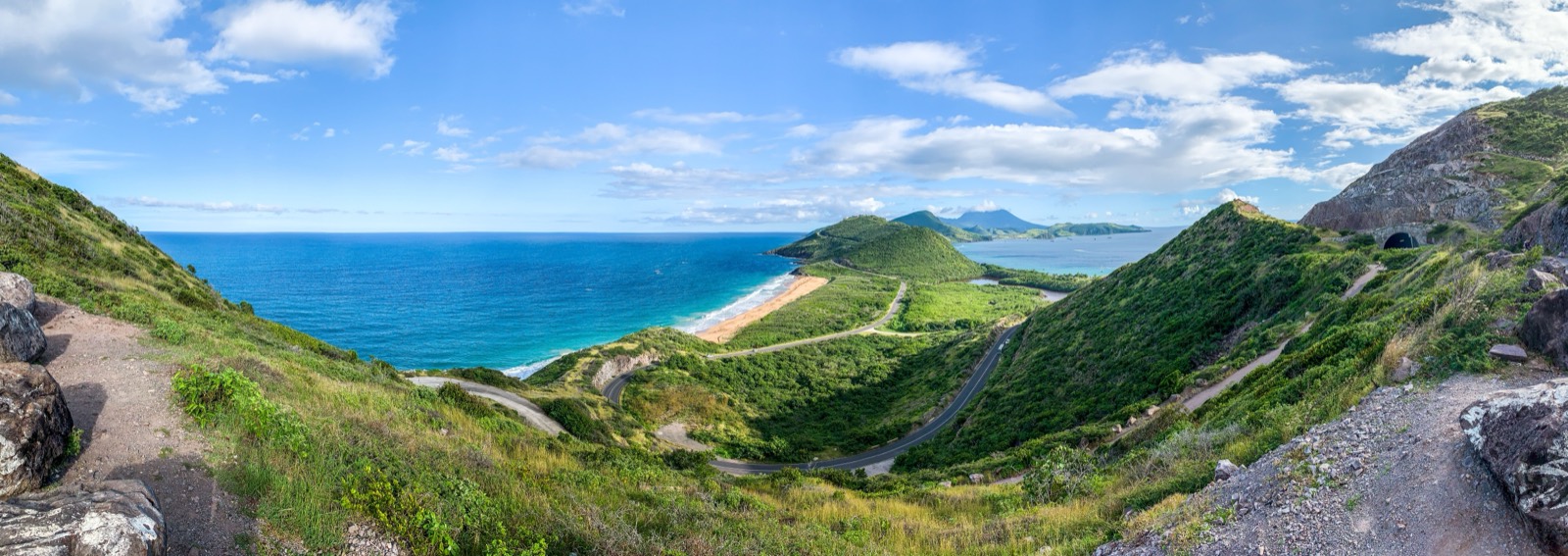
St Kitts & Nevis invented the concept: its citizenship-by-investment program, launched in 1984, is the oldest in the world. That gives it a track record no rival can match, plus a genuinely powerful passport, zero tax on income, capital gains, and inheritance, and Level-1 safety. It's a tax-neutral base for people who can buy in, but a poor fit for anyone stretching a modest pension, since there's no cheaper retiree route.
The short version
- Passport from$250,000 to the Sustainable Island State Contribution, which covers a family of four. Budget ~$287K all-in.
- Time to citizenship Four to six months (120–180 days), done remotely except biometrics
- The passportVisa-free to roughly 167 countries, one of the Caribbean's strongest
- Bragging rightsThe world's oldest citizenship-by-investment programme, running since 1984
- Changing soonAlready changed. ECCIRA is ratified, biometrics are mandatory since April 2026
- TaxNo income tax, no capital gains, no inheritance tax
- Watch out forUS visitors still need a visa, though a 10-year one is available
Citizenship by investment (the original, from $250K)
One note before the numbers: the fund everyone still calls the Sustainable Growth Fund was renamed. It is now the Sustainable Island State Contribution, or SISC, paid into the Federal Consolidated Fund. Half the agent websites you will read have not caught up. If someone quotes you "SGF" pricing in 2026, that tells you something about how closely they follow the file.
Five routes, and the price gap between them is the whole decision:
| Route | From | Get your money back? |
|---|---|---|
| SISC contribution | $250,000 | No. It is a donation. |
| Public Benefit Option | $250,000 | No. Harmonised to match SISC. |
| Approved development share | $325,000 | Yes, resaleable after 7 years |
| Approved Private Home (condo) | $325,000 | Yes, you own it |
| Approved Private Home (house) | $600,000 | Yes, you own it |
What it actually costs, all in
The headline number is honest, which is rarer than it sounds. $250,000 covers a family of up to four, not just one applicant. Extra dependants cost $25,000 each under 18 and $50,000 each over 18. Add fees and you land near $264,000 for a single applicant, $287,000 for a family of four, before your agent takes their cut.
The passport is one of the Caribbean's strongest: visa-free to roughly 167 countries including the UK and the Schengen zone. The US is not one of them, though a 10-year visitor visa is available and routinely granted.
The rules already changed: ECCIRA
St Kitts invented this. The 1984 program here is the oldest citizenship-by-investment scheme in the world, and for forty years the selling point was simple: pay, get a passport, never visit. That era is over, and not because St Kitts wanted it to be.
On 23 September 2025 the five Eastern Caribbean nations that sell citizenship — St Kitts & Nevis, Grenada, Antigua & Barbuda, Dominica and St Lucia — signed an agreement to stop undercutting each other and regulate jointly. The body is ECCIRA, the Eastern Caribbean Citizenship by Investment Regulatory Authority, headquartered in Grenada. Dominica ratified first, in October 2025. By July 2026 all five parliaments had passed it. This is no longer a proposal. It is law in every member state.
What it brings:
- A 30-day stay inside your first five years as a citizen.
- Biometrics and interviews for every applicant.
- Annual caps on passports issued per country.
- A shared $200,000 floor, which is the real point. The price war between these five islands is finished.
One honest caveat: ECCIRA becomes fully operational 30 days after the fifth ratification instrument is deposited, and the industry cannot agree on whether that switch has flipped. Some advisers say the authority has been running since mid-2026; others say it is still standing itself up. What nobody disputes is that the individual CBI units are still processing applications normally, and the new standards are landing on their own schedule regardless.
Forty years of buy-and-forget, ending
Ratified by all five parliaments as of July 2026. Citizens approved under the old rules are expected to be grandfathered.
Worth keeping in proportion. This is not a crackdown, it is a cartel forming, and the islands are doing it because unlimited price competition was destroying the product. For you it means the cheapest window is closing, not that the door is.
Three things that changed this year
If you last looked at St Kitts a year ago, three things are different, and two of them are in your favour.
- Biometrics became mandatory on 14 April 2026. New applicants give them as part of the process. If you are already a St Kitts citizen through the program, you have until 31 July 2027 to comply. Worth diarising, because a passport you cannot renew is an expensive souvenir.
- The US Treasury stood down. FinCEN lifted its advisory on the program on 24 February 2026, citing improved due diligence and security standards. That advisory had made some banks skittish about St Kitts passports. Its removal is quietly the most useful thing that happened to this program in a decade.
- The family definition widened. Children now qualify up to age 30 with the old education requirement dropped, and parents qualify at 55 rather than 65. If you were previously told your 28-year-old or your 58-year-old mother did not fit, that answer has expired.
Taxes: zero
No personal income tax, no capital-gains tax, no wealth or inheritance tax. (Becoming a tax resident requires spending 183+ days a year; US citizens keep their IRS obligations regardless.)
What a month actually costs
About 45% cheaper than the US, though pricier than most Caribbean islands because this tiny nation (~53,000 people) imports nearly everything. A single person spends $700–$1,400/month excluding rent; a Frigate Bay one-bedroom runs ~$850. The EC dollar is pegged at 2.70 to US$1.
Is St Kitts safe?
Yes, Level 1, with low crime and long political stability. Most incidents are petty (pickpocketing in busy areas) and rarely target visitors; the areas just outside Basseterre can feel rough after dark, so use ordinary sense. Hurricanes are the main natural risk.
Healthcare: fine for routine, fly out for serious
Basic public care (the JNF General Hospital on St Kitts, Alexandra on Nevis) plus private clinics around Frigate Bay. Serious cases evacuate to Puerto Rico or Miami, so carry private insurance ($200–$400/month) with evacuation cover.
Frigate Bay, the peninsula, and quiet Nevis
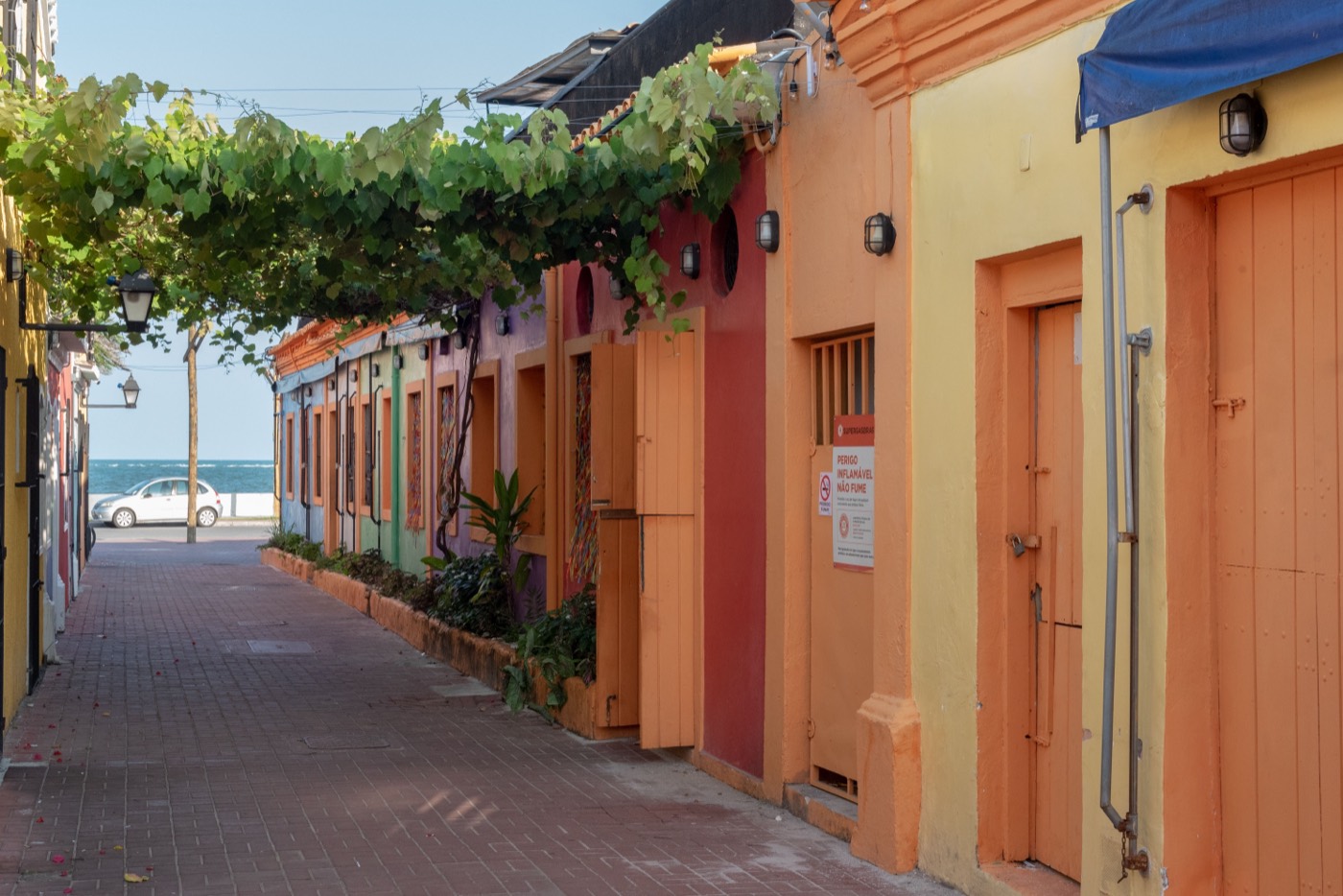
Frigate Bay is the standout expat hub, security, beaches, an active social scene, along with the Southeast Peninsula (Christophe Harbour) and, more tranquilly, Nevis around Charlestown. Handily, many CBI-eligible properties sit in exactly these neighborhoods.
Is St Kitts & Nevis right for you?
- Great fit if: you want a proven second passport, a tax-neutral base, and a safe, stable, English-common-law jurisdiction.
- Think twice if: you're on a modest budget expecting mainland conveniences at low prices, this is a place you buy into.
You can rent in Saint Kitts & Nevis. Owning is a different question.
Plenty of people land in Saint Kitts & Nevis and spend a decade renting because buying looked complicated. It usually is not. It is just unfamiliar. SORA designs and builds homes across the tropics, with our deepest roots in Panama and Costa Rica, where residency is straightforward and building costs a fraction of the coastal Caribbean. If the move is really about a place of your own in the sun, it is worth seeing what a fixed-price build looks like before you commit to any one island.
Frequently asked questions
How much is St Kitts & Nevis citizenship by investment?
From $250,000 via the Sustainable Island State Contribution (SISC), which covers a family of up to four. All-in that is about $264,000 for one person and $287,000 for a family of four. Approved real estate starts at $325,000 and is resaleable after seven years. It's the world's oldest such program (since 1984), takes 3–6 months, requires no residency, and the passport reaches ~167 countries visa-free.
Does St Kitts & Nevis have income tax?
No, there's no personal income tax, capital-gains tax, wealth tax, or inheritance tax. Becoming a formal tax resident requires spending 183+ days a year in the country. US citizens keep their worldwide IRS obligations regardless of a second passport.
How much does it cost to live in St Kitts & Nevis?
About 45% cheaper than the US, though pricier than most Caribbean islands because nearly everything is imported. A single person spends $700–$1,400/month excluding rent, with a Frigate Bay one-bedroom around $850. The EC dollar is pegged at 2.70 to US$1.
Is St Kitts & Nevis safe?
Yes, the US State Department rates it Level 1, with low crime and long political stability. Most incidents are petty theft that rarely targets visitors; use normal caution just outside Basseterre after dark. Hurricanes are the main natural risk.
Sources & verification
Figures in this guide were checked against primary and authoritative sources on 10 September 2026. Immigration, tax, and cost figures change, so always confirm the current rules with the official body or a licensed professional before acting.
- St Kitts & Nevis Citizenship by Investment Unit · official CBI program authority
- US State Department, St Kitts & Nevis · travel advisory (Level 1)
- Sustainable Island State Contribution (SISC) · the renamed fund route and current pricing
- Caribbean governments establish ECCIRA · the 23 September 2025 agreement and ratification timeline
- St Kitts CBI 2026 updates · biometrics from 14 April 2026, FinCEN advisory lifted 24 February 2026, widened family eligibility