Moving to Antigua & Barbuda in 2026
“365 beaches,” no personal income tax, a $230K second passport, and a tax-residency program that needs just 30 days a year on-island. Here's the cost, the routes, and the fine print.
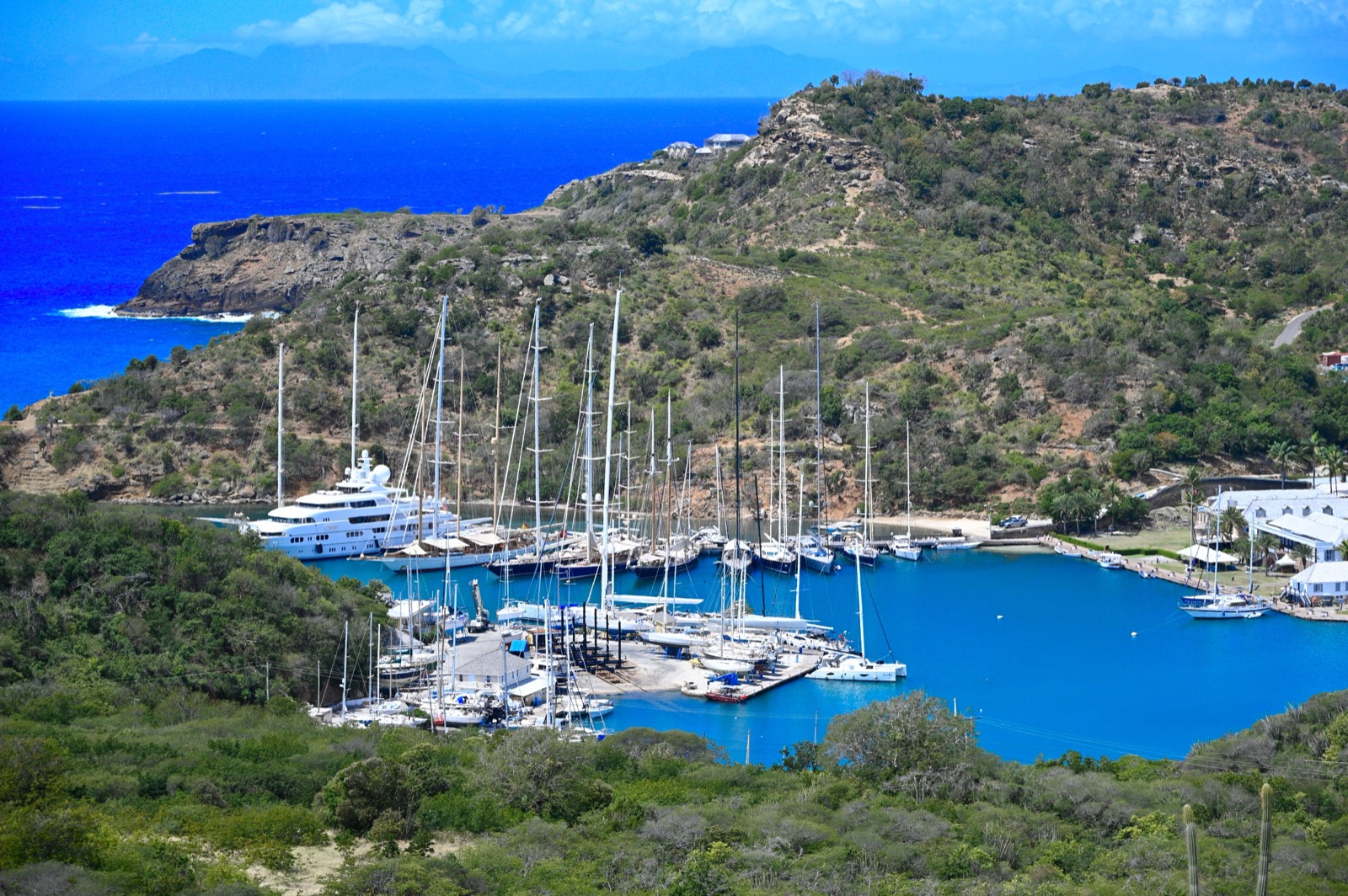
Antigua & Barbuda markets itself on “365 beaches, one for every day” and a deep sailing heritage, but for relocators the draws are practical: no personal income tax (abolished in 2016), a second passport from $230,000, and a rare tax-residency program that asks for just 30 days a year on-island. It's mid-to-high cost by Caribbean standards, safe, and well-connected by air.
The short version
- Passport from$230,000 to the National Development Fund, covering up to four people
- Time to citizenshipRoughly four to fourteen months
- Days on island5 across your first five years, the only one of the five islands that already asks
- Changing soonECCIRA lifts that to 30 days, a smaller jump than its neighbours face
- TaxNo personal income tax
- Best forLarger families, thanks to the $260,000 university fund route
Citizenship by investment (from $230K)
Administered by the CIU since 2013, with no need to relocate (just 5 days on-island across the first 5 years to renew the passport):
- National Development Fund donation: from $230,000, covers up to four applicants.
- Real estate: from $300,000 in an approved project; a University of the West Indies Fund option ($260,000) suits larger families.
- Processing: roughly 4–14 months.
Why ECCIRA barely touches Antigua
Five Eastern Caribbean nations that sell citizenship, Antigua & Barbuda, St Kitts & Nevis, Grenada, Dominica and St Lucia, signed an agreement on 23 September 2025 to stop competing on price and regulate jointly. The result is ECCIRA, and by July 2026 all five parliaments had passed it into law. The headline everyone reacted to is a new 30-day stay requirement.
Here is the thing nobody covering this seems to notice: Antigua already has a residency requirement. You have had to spend 5 days on the island across your first five years to renew the passport. So while the other four programmes are moving from zero days to thirty, Antigua is moving from five to thirty.
Days on the island required, before and after
Antigua is the only one of the five that already asked you to turn up. The change is real, but it is a smaller adjustment here than anywhere else.
Still worth knowing what else is coming: biometrics, applicant interviews, annual caps on how many passports each country issues, and a shared $200,000 investment floor that ends the price war. And two caveats the agencies tend to skip. The framework is law in all five states, though it only becomes fully operational 30 days after the last ratification is formally deposited, and advisers still disagree about whether that has happened. Meanwhile Antigua's own CIU keeps processing on existing rules. And people approved under today's rules are expected to be grandfathered.
If you were already comfortable with five days in Antigua, thirty is a holiday. If the entire appeal was never setting foot there, you were probably shopping in the wrong part of the Caribbean anyway.
Taxes: no personal income tax
Antigua abolished personal income tax in 2016 and levies no capital-gains, wealth, or inheritance tax. That alone puts it in rare company.
The more interesting instrument is the tax-residency program, which grants status for 30 days a year on-island plus a flat annual tax of about $20,000. Read that structure carefully, because it is unusual. Most countries make you choose between physical presence and a tax bill. Antigua sells you a certificate instead: show up for a month, pay a fixed sum that does not scale with what you earn, and you have a documented tax residency in a zero-income-tax jurisdiction.
Whether that is a bargain depends entirely on one number, your income. At $200,000 a year the flat fee is a 10% rate and probably not compelling. At $2 million it is 1%, and the maths starts doing something interesting. This is a product built for a specific customer, and if you are not that customer it is simply an expensive certificate.
Three caveats worth more than they look. Citizenship alone does not create tax residency, that still needs 183 days or the program above. Business and rental income earned in Antigua can still be taxed. And US citizens keep worldwide IRS obligations no matter how many passports they hold, which is the single most common misunderstanding in this entire corner of the internet.
What a month here actually costs
Mid-to-high for the region, pricier than the DR or Grenada, but around 20% cheaper than the US/UK overall. A single person budgets $1,500–$3,000/month; a St John's one-bedroom runs ~$800–$1,000. The EC dollar is pegged at 2.70 to US$1. Housing, imported food, and electricity are the big line items.
Is Antigua safe?
Yes, among the Caribbean's most stable, low-crime nations, with a notably high life expectancy (~79). St John's sees some petty theft and burglary, but violent crime is uncommon and expat areas are calm.
Healthcare: good for a small island, not for everything
Public care is free; most expats use private care and insurance (~$240–$375/month including evacuation). The Sir Lester Bird Medical Centre handles a wide range of services, but complex cases still require evacuation to a larger island or the US, so keep evacuation cover.
Where expats cluster
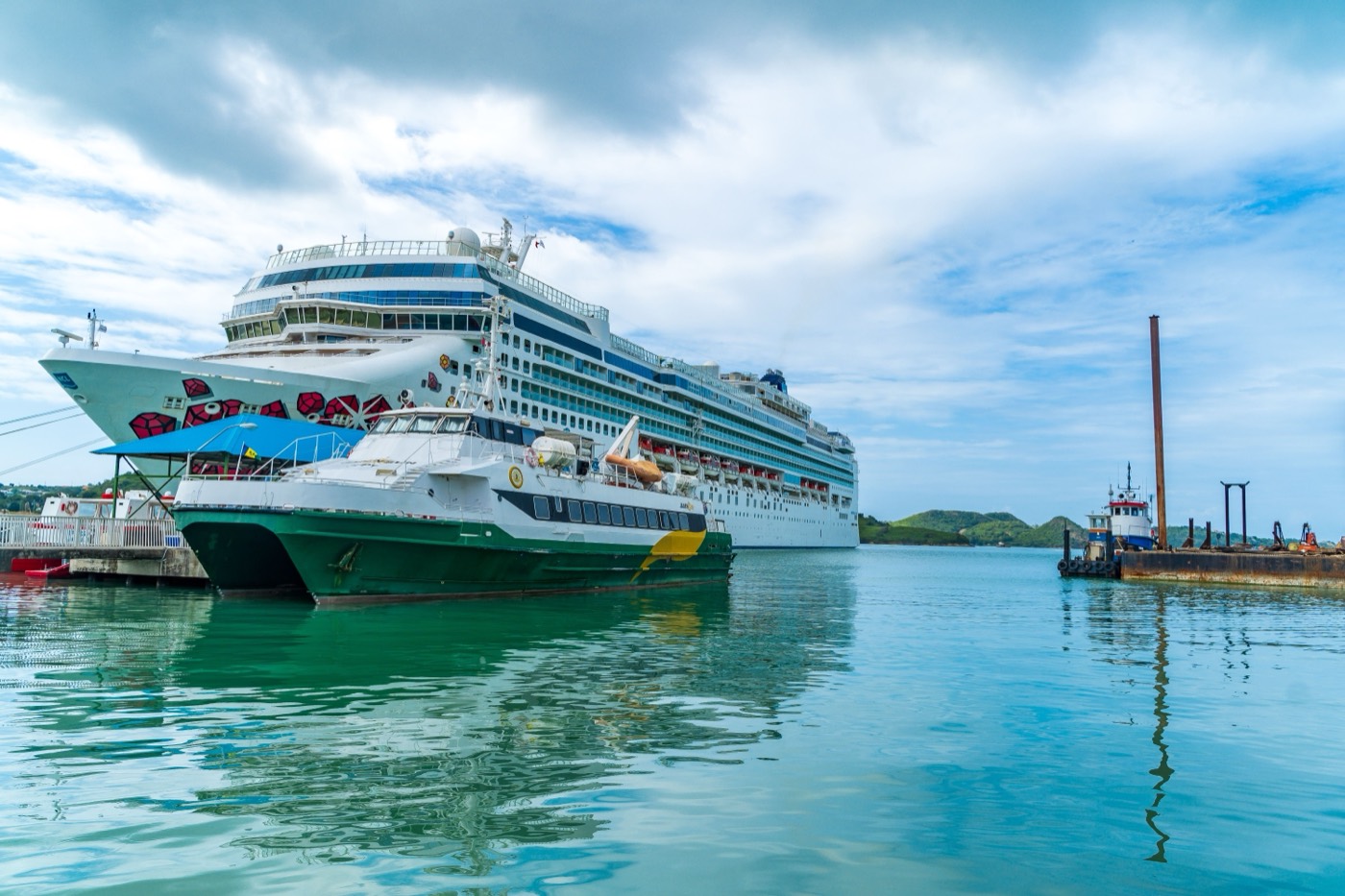
Most expats settle around St John's and the coastal/resort areas, with an active social scene (sailing, golf, tennis) and direct flights to the US, Canada, and Europe.
Is Antigua right for you?
- Great fit if: you want a beaches-and-sailing lifestyle with no income tax, a fast passport, and a light 30-day tax-residency option.
- Think twice if: you need budget costs (the DR/Grenada are cheaper) or top-tier local healthcare for complex conditions.
You can rent in Antigua & Barbuda. Owning is a different question.
Plenty of people land in Antigua & Barbuda and spend a decade renting because buying looked complicated. It usually is not. It is just unfamiliar. SORA designs and builds homes across the tropics, with our deepest roots in Panama and Costa Rica, where residency is straightforward and building costs a fraction of the coastal Caribbean. If the move is really about a place of your own in the sun, it is worth seeing what a fixed-price build looks like before you commit to any one island.
Frequently asked questions
How much is Antigua & Barbuda citizenship by investment?
From $230,000 via a National Development Fund donation (covering up to four applicants), or from $300,000 in approved real estate. You need only spend 5 days on-island across the first 5 years to renew the passport. Processing runs roughly 4–14 months, now under the new 2026 ECCIRA framework.
Does Antigua have income tax?
No, Antigua & Barbuda abolished personal income tax in 2016 and has no capital-gains, wealth, or inheritance tax. It also offers a tax-residency program requiring just 30 days a year on-island plus a ~$20,000 annual flat tax. Business and rental income can be taxed, and US citizens keep worldwide IRS obligations.
How much does it cost to live in Antigua?
Mid-to-high for the Caribbean, a single person budgets about $1,500–$3,000/month, with a St John's one-bedroom around $800–$1,000. It's roughly 20% cheaper than the US/UK overall; housing, imported food, and electricity are the main costs.
Is Antigua safe?
Yes, it's one of the Caribbean's most politically stable, low-crime nations, with a high life expectancy. St John's sees some petty theft and burglary, but violent crime is uncommon and expat areas are calm.
Sources & verification
Figures in this guide were checked against primary and authoritative sources on 10 September 2026. Immigration, tax, and cost figures change, so always confirm the current rules with the official body or a licensed professional before acting.
- Antigua & Barbuda Citizenship by Investment Unit · official CBI program authority
- Antigua & Barbuda Inland Revenue · official tax authority (no personal income tax)
- US State Department, Antigua & Barbuda · travel advisory (Level 1)