Moving to the British territories
The British Virgin Islands, Anguilla, and Montserrat share English common law, very low crime, and in two of the three, no income tax at all. But they range from a billionaires' sailing hub to the Caribbean's most affordable safe island. Here's how they compare.
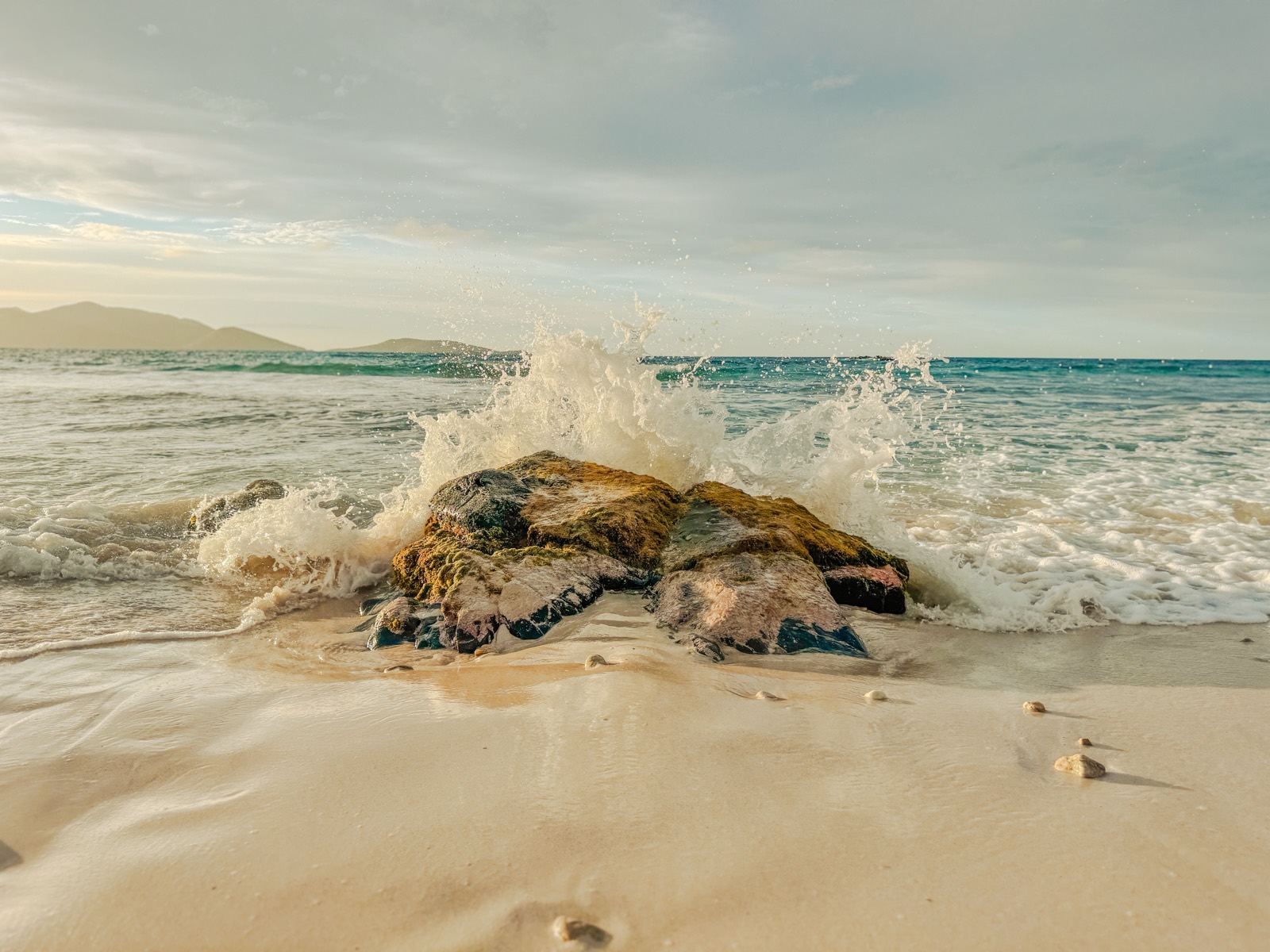
Three small British Overseas Territories share a legal DNA. English common law, English as the working language, British-linked institutions, and crime rates most countries would envy. They then diverge completely on price and personality. The British Virgin Islands is a superyacht-and-offshore-finance hub with no income tax. Anguilla is a flat coral island of famous beaches, luxury resorts, and a bespoke tax-residency program for the wealthy. Montserrat is a near-empty, near-zero-crime volcano island that is among the most affordable places to live safely in the whole Caribbean. Same flag, three very different moves — this guide covers all three.
Do the British Caribbean territories have income tax?
Mostly no — but not universally, so this is worth getting right. The British Virgin Islands and Anguilla levy no personal income tax at all; they fund themselves through payroll taxes, import duties, fees, and consumption taxes instead. Montserrat is the exception: it does levy a modest personal income tax, so it is not a zero-tax island in the way the other two are. On currency, the BVI uses the US dollar, while Anguilla and Montserrat use the East Caribbean dollar (pegged at roughly EC$2.70 to US$1).
The three territories at a glance
| Territory | Population | Character | Cost & who it suits |
|---|---|---|---|
| British Virgin Islands | ~40,000 | World sailing capital and offshore-finance hub. The Baths, Virgin Gorda, no income tax | High cost; high earners and boat people |
| Anguilla | ~15,000 | Flat coral island of famous beaches and luxury resorts. No income tax, a tax-residency program | Most expensive; the wealthy |
| Montserrat | ~4,400 | The "Emerald Isle". Irish heritage, an active volcano in the south, near-zero crime | Cheapest; budget remote workers & the quiet-seeking |
British Virgin Islands — sailing and finance, at a price
The BVI is the region's yachting mecca (Virgin Gorda's Baths are the postcard) and a major offshore-finance center, which shapes who moves here: high earners, boat crews, and finance professionals. There's no income tax, though a payroll tax applies to employment. Residency is deliberately hard: work permits are employer-driven, and the path to permanent residence and eventual “Belonger” status typically requires around twenty years of residence, with a separate route for major investors. Cost of living is high and hurricane exposure is real (Irma devastated it in 2017), but violent crime is low.
Anguilla — beaches, luxury, and a tax-residency deal
Anguilla is smaller, flatter, and built around some of the Caribbean's best beaches and a high-end resort economy. It levies no income, capital-gains, or inheritance tax, funding itself through duties and a goods-and-services tax. For the wealthy it offers two headline routes: permanent residence via a substantial donation to the island's development fund or a large real-estate purchase; and a “High Value Resident” tax-residency program under which paying a flat annual worldwide-tax amount (on the order of US$75,000) plus owning property above roughly US$400,000 and spending at least 45 days a year on-island makes you an Anguillan tax resident. It's the most expensive of the three and extremely safe.
Montserrat — affordable, empty, and remarkably safe
Montserrat is the outlier, and for many people the most interesting of the three.
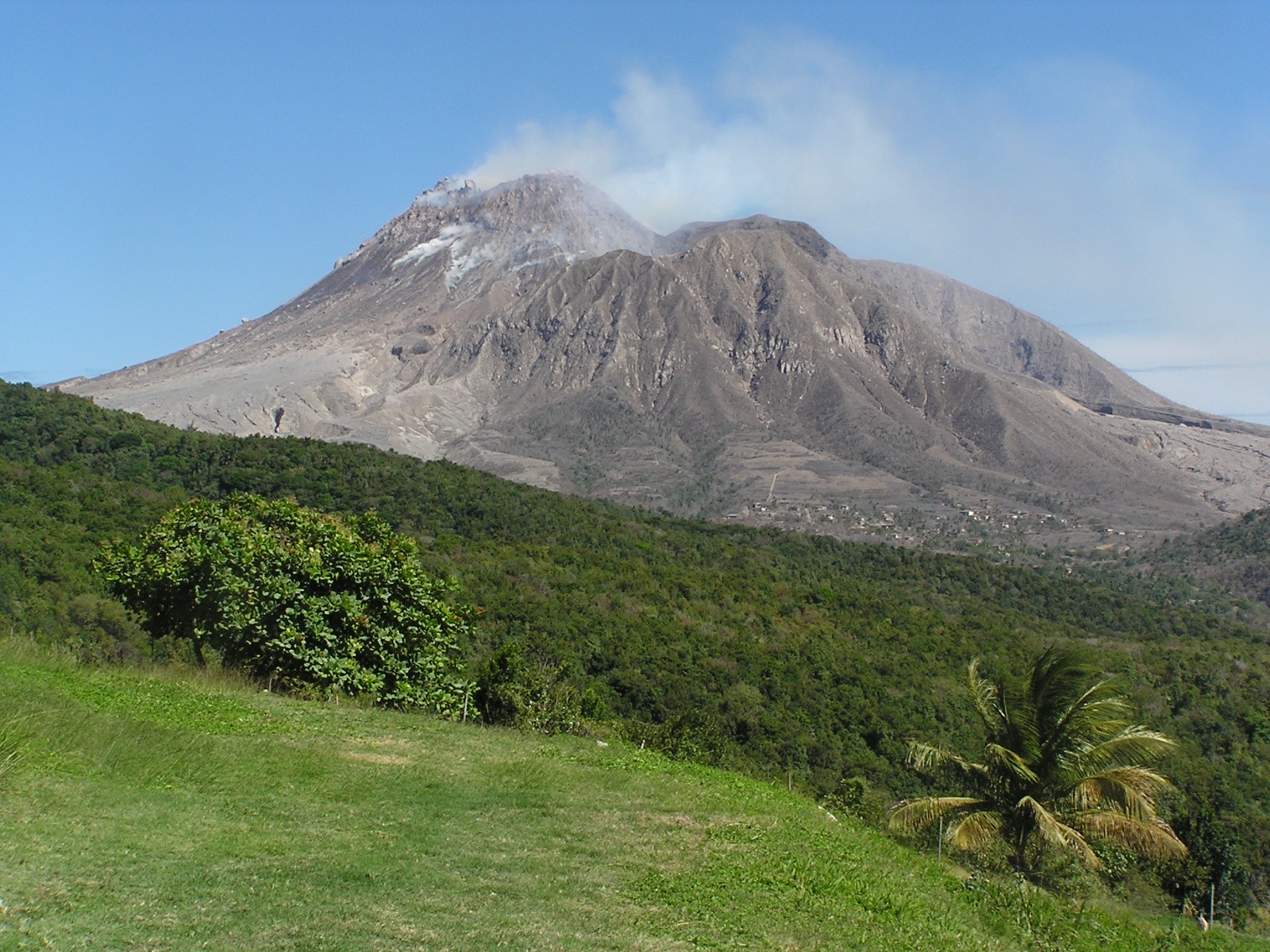
The Soufrière Hills volcano erupted in 1995. It buried the capital, Plymouth, and forced an evacuation that cut the population from around 11,000 to a few thousand. A southern exclusion zone remains closed, and life rebuilt itself in the green north around Little Bay.
What is left is a near-empty island with almost no crime and living costs among the lowest of any safe Caribbean destination. It offers a one-year Remote Worker Stamp, plus property-based and investment residence routes, though permanent residence now takes longer to qualify for than it once did.
The word that catches British buyers out
If you hold a UK passport, you may assume these islands are effectively home turf. They are British. You are British. How hard can it be?
Harder than you think. The concept that governs everything here is belonger status, and it is written into the constitution of every Caribbean territory.
Belonger status is what gives you the indefinite right to reside, to work without a permit, to own property without restriction, to vote, and to stand for office. And here is the part that surprises people: it operates entirely independently of British citizenship. A full British passport does not confer it. Neither does British Overseas Territories citizenship. Without belonger status you cannot vote or hold elected office even if you have lived there for decades as a British citizen.
This is deliberate. It exists precisely to stop automatic migration from the UK into very small islands, and it works.
How long the road is depends on which island you pick:
The practical takeaway: plan your first decade here as a resident on permits, not as a citizen in waiting. Buy accordingly, and read the property restrictions for non-belongers on whichever island you choose before you make an offer.
What does it cost to live in each?
The spread between these three islands is enormous, and it is the main thing that should drive your choice.
Anguilla sits at the top. It is a luxury market where two-bedroom rentals commonly run into the thousands of US dollars a month, and a family budget can climb past US$7,000. The BVI is not far behind, pushed up by imports and a finance-hub economy that sets local wages and rents.
Montserrat is at the other end entirely. A family can live comfortably there on a fraction of what the other two demand. Combine that with the one-year Remote Worker Stamp and you have an under-the-radar option for location-independent earners who value safety and quiet more than restaurants and nightlife.
Is it safe to live on Montserrat with an active volcano?
Yes, with a caveat about geography rather than crime.
On crime, all three territories rank among the safest places in the Caribbean, and Montserrat in particular has close to none. The volcano risk sits inside the southern exclusion zone, which is closed and continuously monitored. The inhabited north, where the new capital area and the community have been rebuilt, is considered safe and daily life runs normally.
What you are trading is proximity to a monitored volcano for one of the lowest-crime environments in the region. For most people who move there, that trade turns out to be an easy one.
So which British territory is right for you?
It comes down to budget, and to what you are optimising for.
High earners who want no income tax should look at the BVI for sailing, or Anguilla for beaches and a formal tax-residency structure. Both come with some of the region's highest living costs, and the BVI adds a twenty-year road to belonger status.
If affordability, safety and quiet matter more, look hard at Montserrat. It is the rare Caribbean island where safe and cheap overlap, and the Remote Worker Stamp makes a trial year straightforward.
All three give you English law and English-speaking institutions. The price tags could hardly be more different, and none of them hand a British passport-holder an easy path to staying. If you want to widen the field, our guide to all 29 islands compares them properly.
Relocating is step one. Owning the home is step two.
SORA designs and builds homes across the tropics, with our deepest roots in Panama and Costa Rica, where residency is straightforward and building costs a fraction of the coastal Caribbean. If your move is really about a place of your own in the sun, it is worth seeing what a fixed-price build looks like before you commit to any one island.
Frequently asked questions
Do the British Caribbean territories have income tax?
The British Virgin Islands and Anguilla levy no personal income tax, funding themselves through payroll taxes, import duties, and consumption taxes. Montserrat is the exception and does levy a modest personal income tax. The BVI uses the US dollar; Anguilla and Montserrat use the East Caribbean dollar.
Can a British citizen just move to the BVI or Anguilla?
No. Every Caribbean British Overseas Territory runs on belonger status, which is written into its constitution and operates independently of British citizenship. A UK passport does not grant the right of abode, and without belonger status you cannot vote or hold office no matter how long you have lived there. Plan on work permits first, status much later.
How do you get residency in the British Virgin Islands?
Most people arrive on an employer-sponsored work permit. Permanent residence and eventual 'Belonger' status typically require around twenty years of continuous residence, with a separate route available for major investors. The BVI's residency system is deliberately restrictive, reflecting its small size and finance-hub economy.
What is Anguilla's tax-residency program?
Under Anguilla's 'High Value Resident' program, paying a flat annual worldwide-tax amount (on the order of US$75,000) plus owning residential property worth roughly US$400,000 or more and spending at least 45 days a year on the island makes you an Anguillan tax resident. Anguilla separately offers permanent residence via a development-fund donation or a large real-estate investment.
Is it safe to live on Montserrat despite the volcano?
Yes. The Soufrière Hills volcano risk is confined to a monitored southern exclusion zone that is closed to residents; the inhabited north of the island is considered safe, and Montserrat has among the lowest crime rates in the Caribbean. It also offers a one-year Remote Worker Stamp and is one of the most affordable safe islands in the region.
Sources and verification
Figures in this guide were checked against government and constitutional sources on 3 September 2026. Immigration, tax, and cost figures change, so always confirm the current rules with the official body or a licensed professional before acting.
- Government of the British Virgin Islands, immigration and residency information
- Government of Anguilla, residency-by-investment and tax-residency (High Value Resident) programs
- Turks and Caicos, Islander Status and Permanent Residence Certificates
- Government of Montserrat, Remote Worker Stamp and residence permits