Manufactured & Mobile Homes
Homes built entirely in a factory to a national code, then transported to the site. The cheapest per-square-foot housing there is. A modern one looks like any other house. The tropical catch is transport and tie-downs.
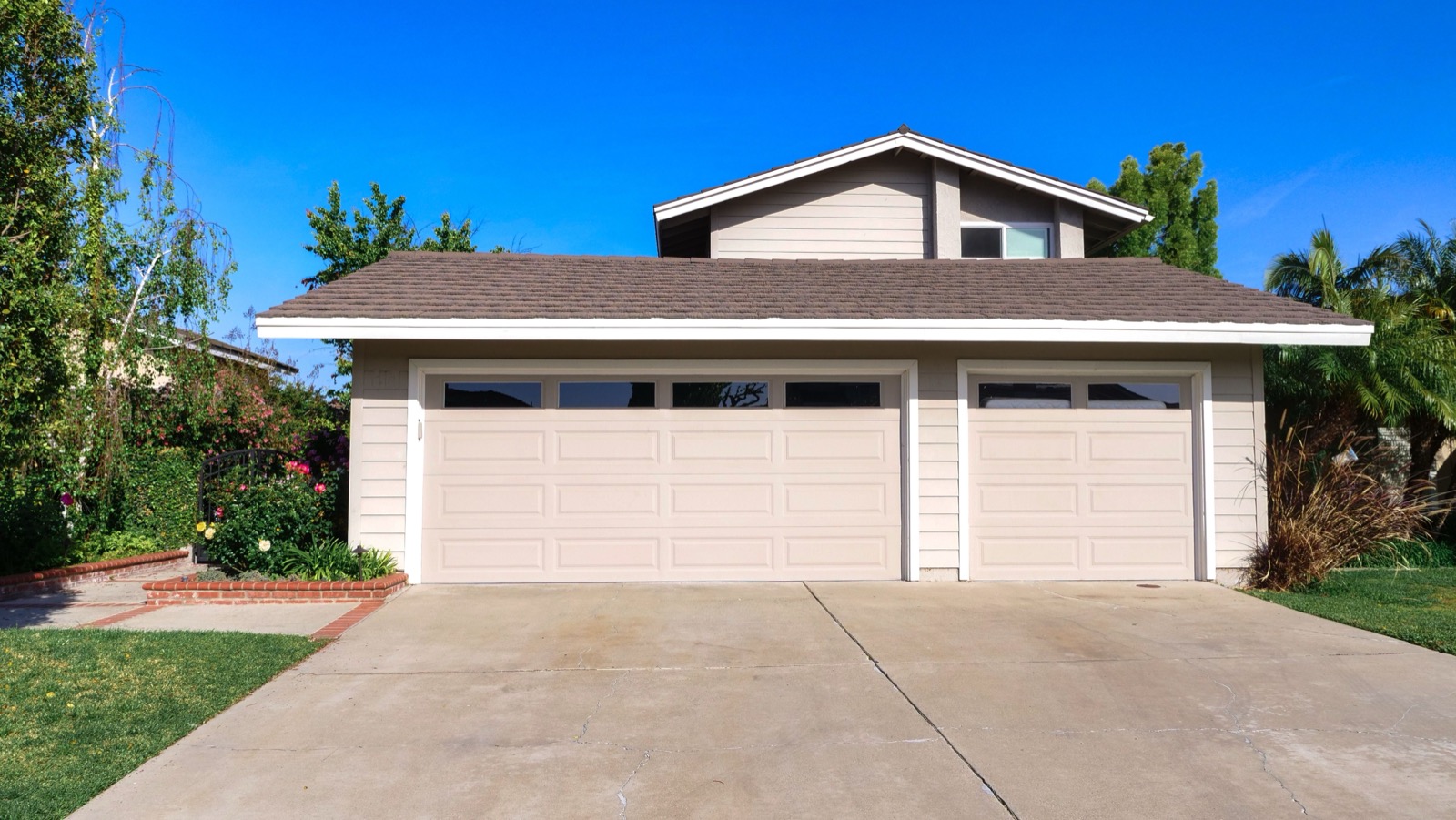
- A new manufactured home averaged $115,557 in the US in 2025. Single-section $95,074, multi-section $156,170. Home only, no land.
- Per square foot that is roughly $87 against $166 site-built. About half. That gap is the entire appeal.
- The sticker is not the price. Add $30,000 to $50,000 for delivery, foundation, hookups and site work. On raw land, site work alone can reach $60,000.
- In Panama or Costa Rica the math collapses. No regional factory supply chain, so you would import a house, and then fight transport and hurricane tie-downs.
Manufactured homes, the modern term for "mobile homes," are built entirely in a factory on a permanent steel chassis, then transported whole to the site as a single-wide, double-wide, or triple-wide. Built to a single national standard, the HUD code in the US, they are the cheapest housing per square foot in the developed world. Forget the old trailer stereotype. A modern manufactured home is often indistinguishable from a site-built house.
How they're built, and how they differ from modular
The whole home is assembled on an indoor line, framing, wiring, plumbing, cabinets, finishes, then towed to the lot on its own chassis and set, often on piers with skirting. This is the key difference from modular homes: modular sections are built to local building codes and craned onto a permanent foundation, whereas manufactured homes are built to the single national code and keep their transport chassis. Both are factory-built; the code, the chassis, and how permanent they are set them apart.
What it actually costs, sticker versus delivered
The headline number is genuinely good. The US Census Bureau put the average new manufactured home at $115,557 in 2025. Single-section $95,074, multi-section $156,170. The Manufactured Housing Institute puts it at about $87 per square foot against $166 for site-built. Building indoors on a line, to one national code, cuts labor and waste in a way a site crew cannot match.
Then you buy one and find out the sticker was the opening bid.
Delivery runs $1,000 to $5,000 for a single-wide, up to $10,000 for a multi-section. Setup and leveling adds $2,000 to $8,000. Skirting is $500 in vinyl or $8,000 in block. A permanent foundation adds $5,000 to $15,000. Utility connections run $2,500 to $25,000 depending how far the nearest line sits. On genuinely raw land, site work alone lands between $20,000 and $60,000.
Put together, a $120,000 home usually needs another $30,000 to $50,000 before you can sleep in it. Installed, budget $60 to $140 per square foot all in.
One more thing catches people. If the home sits on leased land, or on your land without a HUD-compliant permanent foundation, it is personal property, not real estate. You finance it with a chattel loan, which means a higher rate and a shorter term than a mortgage, and it can depreciate like a vehicle. Put it on a proper permanent foundation and it becomes real property, eligible for FHA Title II or VA financing. That one decision changes the whole ownership story.
The balance sheet
| Factor | Rating | Notes |
|---|---|---|
| Cost | 🟢 | Cheapest housing per square foot |
| Build speed | 🟢 | Built in a factory in weeks |
| Quality control | 🟢 | Indoor line, consistent |
| Transport | 🔴 | Must be trucked whole, hard on remote/mountain lots |
| Heat/climate fit | 🟡 | Depends on spec; many need better insulation for the tropics |
| Hurricane/wind | 🟡 | Needs proper anchoring/tie-downs, the critical detail |
| Resale/appreciation | 🔴 | Can depreciate, unlike site-built on owned land |
| Permitting/finance | 🔴 | Uncommon in Latin America; financing/import friction |
How hard is it to get one built?
In North America, buildability is a non-issue. You order it and it's delivered. In Panama or Costa Rica the picture flips. The factory-built manufactured-home industry that makes them cheap barely exists regionally, so you'd be importing a home, which is expensive and defeats the low price, or relying on the far more common local concrete build. Two things really limit it here. Transport, since trucking a whole house up a mountain road to a highland lot is often impractical, and anchoring, since manufactured homes must be tied down properly to survive hurricane wind, the classic failure mode. Where a manufactured home shines is flat, accessible land in a market with a supply chain for them. In most of tropical Latin America, a small local concrete build or a modular system usually makes more sense.
Thinking about building in Panama or Costa Rica?
If you priced a manufactured home, got excited, then read the transport section and deflated, that is the normal reaction. SORA builds in reinforced concrete at a fixed price, and we will tell you honestly when another method beats us on your particular lot. Play with cost live in the 3D configurator.
See real 2026 build costs →Frequently asked questions
What's the difference between a manufactured home and a modular home?
Both are factory-built, but a manufactured home is built to a single national code on a permanent steel chassis and towed whole to the site, while a modular home is built to local building codes in sections that are craned onto a permanent foundation. Modular is generally treated more like conventional real estate; manufactured is cheaper but can depreciate.
Are manufactured homes safe in hurricanes?
They can be, but only if properly anchored. Manufactured homes must be tied down to engineered anchors to resist high wind, inadequate anchoring is the classic reason they fail in storms. With correct tie-downs and a proper foundation, a modern manufactured home performs far better than the old stereotype.
Can you buy a manufactured home in Panama or Costa Rica?
It's uncommon. The factory supply chain that makes manufactured homes cheap is a North American phenomenon, so in Latin America you'd typically be importing one (costly, and it undercuts the low price) or building locally in concrete. Transport to remote or mountainous lots is also a real constraint.
Sources & verification
Figures in this guide were checked against primary and authoritative sources on 27 July 2026. Immigration, tax, and cost figures change — always confirm the current rules with the official body or a licensed professional before acting.
- Bob Vila — manufactured vs modular homes
- MN Property Group — factory-built housing trends