Build a Home
in Pedasí
Cost, timeline, lot considerations, permits, water and septic specifics, and the Casa Bahía case study: a complete line-by-line breakdown of one of Sora's active 180 m² Pedasí beachfront builds at $315K turnkey retail.
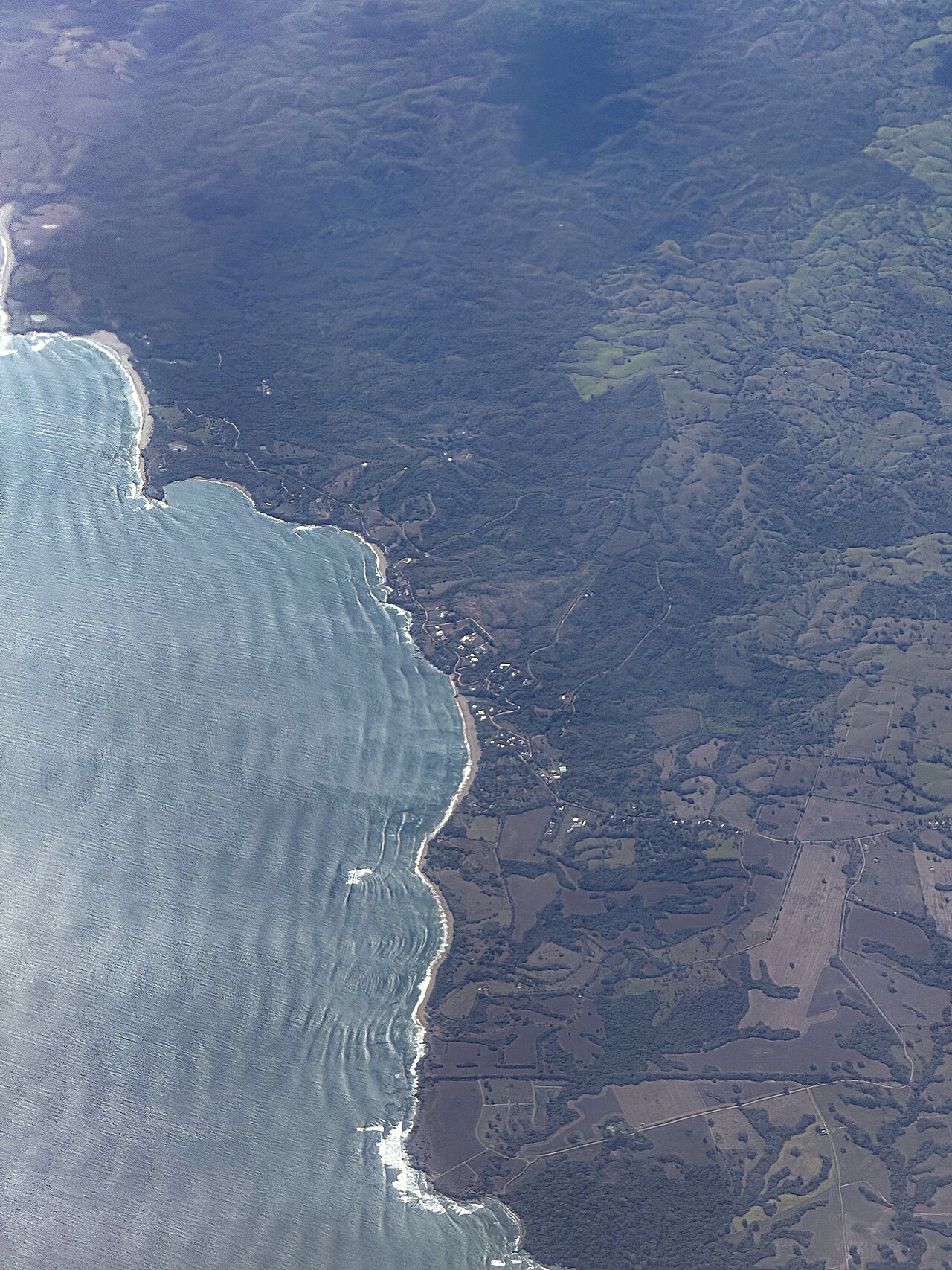
Pedasí is the Panama market with the most upside for foreign buyers right now, small enough that prices haven't run away yet, beautiful enough that everyone who visits wants to come back, and stable enough that the build process is genuinely predictable. Sora is currently building seven custom homes in Pedasí and Playa Venao, which means this guide isn't theory, it's our active operating reality, with the costs, timeline windows, and lot considerations we deal with every week.
The short answer for budget: plan $295,000–$480,000 all-in for a 180 m² (1,940 sq ft) Sora-tier home including land. A larger oceanfront Casa Punta runs $670,000–$1,420,000 all-in. If you're outside those ranges, the longer guide below shows which dials to turn (size, finish, lot, off-grid) to hit your number.
The gist, before you scroll
- The lot is the biggest decision you'll make, and it swings your budget by $150K+. Get it wrong and everything downstream costs more.
- A clean 180 m² build runs ~$315K turnkey (land on top). Nine months: dry-season starts finish on time, wet-season starts add 30–60 days.
- Pedasí's salt air is a real 5–8% tax vs an inland build, and skipping it is how homes rust out in five years.
- Permits are the builder's job, never yours. If a builder asks you to pull them in your own name, that's your cue to walk.
Lots · Permits · Water & power · Salt air · Real build · Timeline
Where your ~$315K turnkey build actually goes
Land aside, here's what a 180 m² Casa Bahía is really made of. Longer bar, bigger slice of the cheque. The coral line is the salt-air premium you only pay on the coast.
Rough shares of a real 180 m² Casa Bahía, land not included. Your exact mix shifts with finish level, lot access, and whether you go off-grid.
Lot considerations, this is where most buyers make their biggest decision
The lot you choose shapes everything else, cost, view, sun orientation, build timeline, future resale. Here's what we tell every Pedasí buyer.
The Pedasí neighborhood map
- Pedasí town center. Walking distance to restaurants, the Sunday market, and the church. Lots are small (typically 400–1,000 m²) and harder to find. $80,000–$220,000.
- Andrómeda area. The original gringo-development corridor, north of town. Closer to the beach. Many existing homes. Lots run $60,000–$180,000.
- Achotines / Punta Mala headland. South of town toward Playa Venao. Premium ocean views. $120,000–$650,000 for the best lots.
- Playa Venao (Tonosí district). 30 minutes south of Pedasí town. Surf access. Newer developments (Vervana, Blue Venao, Selva). $80,000–$700,000.
- Cañas & Tonosí countryside. Rural lots, often agricultural or finca-zoned. $30,000–$120,000. Good fit for off-grid builds.
- Playa Arenal. Long beach just south of town. Lots facing the beach are extremely rare and expensive ($200,000+); inland lots near the beach are $50,000–$120,000.
What to check on any Pedasí lot before buying
- Title, fully titled, no Right of Possession. Pedasí is mostly titled but Right of Possession (ROP) parcels still exist, especially in Cañas and Tonosí. Don't buy ROP land. Verify with a real estate attorney before signing.
- Sun orientation. Pacific-facing west sides catch beautiful sunsets but bake in afternoon sun. East-facing back yards stay cooler. North-south orientation is optimal, sunrises and sunsets without the sustained afternoon heat.
- Trade-wind exposure. Beautiful in the right place, brutal in the wrong place. December–April winds can be sustained 15–25 mph. Lots tucked behind ridge lines or vegetation are more livable.
- Water table. Some Pedasí lots have water 12 ft below grade; others 90 ft. Drilling cost varies $4,000–$12,000. Check before committing.
- Power access. Within 200m of an existing line = $3,000–$8,000 to connect. Further than 200m = $10,000–$25,000+ or off-grid solar.
- Road access in wet season. Visit the lot during green season, May through November, to see how the access road performs in rain. Some otherwise-perfect lots become 4WD-only after heavy rain.
- Coastal setback. Panama requires building setbacks from the high-tide line. Verify the buildable area on any beachfront lot.
- Neighbor build status. A perfect view today can become a 2-story neighbor in 18 months. Check adjacent lot ownership and any known development plans.
The MIVIOT permit process
Pedasí permits run through the Las Tablas regional MIVIOT office (Ministry of Housing) and the local Pedasí corregimiento. Typical timeline:
| Stage | Time | Cost |
|---|---|---|
| Architectural plans complete & SPIA stamped | 3–6 weeks | included in 8% plans budget |
| MIVIOT application submission to Las Tablas | same week | $0 |
| MIVIOT review | 30–60 days (longer in green season) | 1% of construction |
| Pedasí corregimiento permit | 2–3 weeks (often parallel) | 0.5% of construction |
| MiAmbiente environmental study (if coastal/watershed) | 30–45 days additional | $500–$1,500 |
| SUNTRACS labor registration | 1 week | $300–$800 |
| Total typical timeline | 60–90 days | ~1.5–2% of build cost |
Permits are the builder's responsibility, never yours. If a builder asks you to handle permits in your own name, walk away. Don't wire any construction deposit until the permit application is filed.
Why "five days" turns into two months
Here's the thing nobody tells you. Once a complete file lands on the municipal desk, the rule says the permit issues in five business days. That number is real. It is also almost meaningless, because a file isn't complete until six separate authorities have each signed off, and none of them are standing in the same queue.
A normal residential build needs clearance from the municipal building office, JTIA (the engineering and architecture board, which registers the project and the licensed professionals on it), MINSA for health and sanitation, Bomberos for fire, DGI for the tax side, and MIVIOT wherever subdivision or urbanización is involved. Each one has its own timetable and its own idea of what a complete submission looks like. Stack them end to end and the honest number from stamped plans to permit in hand is two to four months — which is why our table above budgets 60–90 days rather than a week.
Two footnotes worth knowing. Panama City has moved to an online filing system, the Permiso Digital de Construcción, and you will read about it constantly. It does not apply in Pedasí — you file with the Pedasí municipio and the Las Tablas MIVIOT office, on paper, the old way. And the sectoral clearances above are national, so even in the capital the digital system speeds up the counter, not the queue.
The second footnote is the one that keeps people honest. Building without a permit in Panama carries a fine of 10% to 100% of the total value of the work, plus immediate suspension and, in the worst case, an order to demolish. On a $315K build that is a $31,500 fine at the gentle end. Nobody sensible starts pouring before the paper is in hand, and any builder who suggests otherwise is telling you exactly who they are.
Water, power, septic, Pedasí specifics
This is where Pedasí builds genuinely differ from Boquete or Volcán builds, and where most foreign buyers get their cost surprises.
Water
Pedasí municipal water (IDAAN) covers the town center and Andrómeda corridor reliably. For lots outside the IDAAN zone, which is most of the surrounding countryside and many Playa Venao developments, you'll drill a well.
- Well drilling: $4,000–$12,000 depending on depth. Most Pedasí wells hit clean potable water at 60–120 ft.
- Water tank + pump: $1,500–$3,500. Standard 1,000-gallon tank with pressure pump.
- UV + carbon filtration (recommended for well water): $800–$1,500.
Pedasí water quality is generally excellent. Most expats drink filtered tap water once the home system is set up.
Power
Pedasí grid power is reasonably reliable but does have occasional outages, especially during green-season storms. We recommend:
- Grid connection within 200m of line: $3,000–$8,000.
- Grid extension 200–500m: $8,000–$18,000.
- Beyond 500m: Off-grid solar is often more cost-effective. See our companion piece on off-grid building in Panama.
- Battery backup (recommended for all grid homes): $4,000–$12,000 for a Tesla Powerwall-equivalent.
Septic
No Pedasí area has municipal sewage. Every build requires its own septic system.
- Standard septic + leach field: $5,000–$8,000. Works fine for most inland lots.
- Bio-digester (closed-loop): $8,000–$12,000. Required for coastal lots where leach-field discharge to ocean is restricted. Produces clean discharge suitable for irrigation. This is what we install on all Sora coastal builds.
Salt-air construction, the Pedasí premium
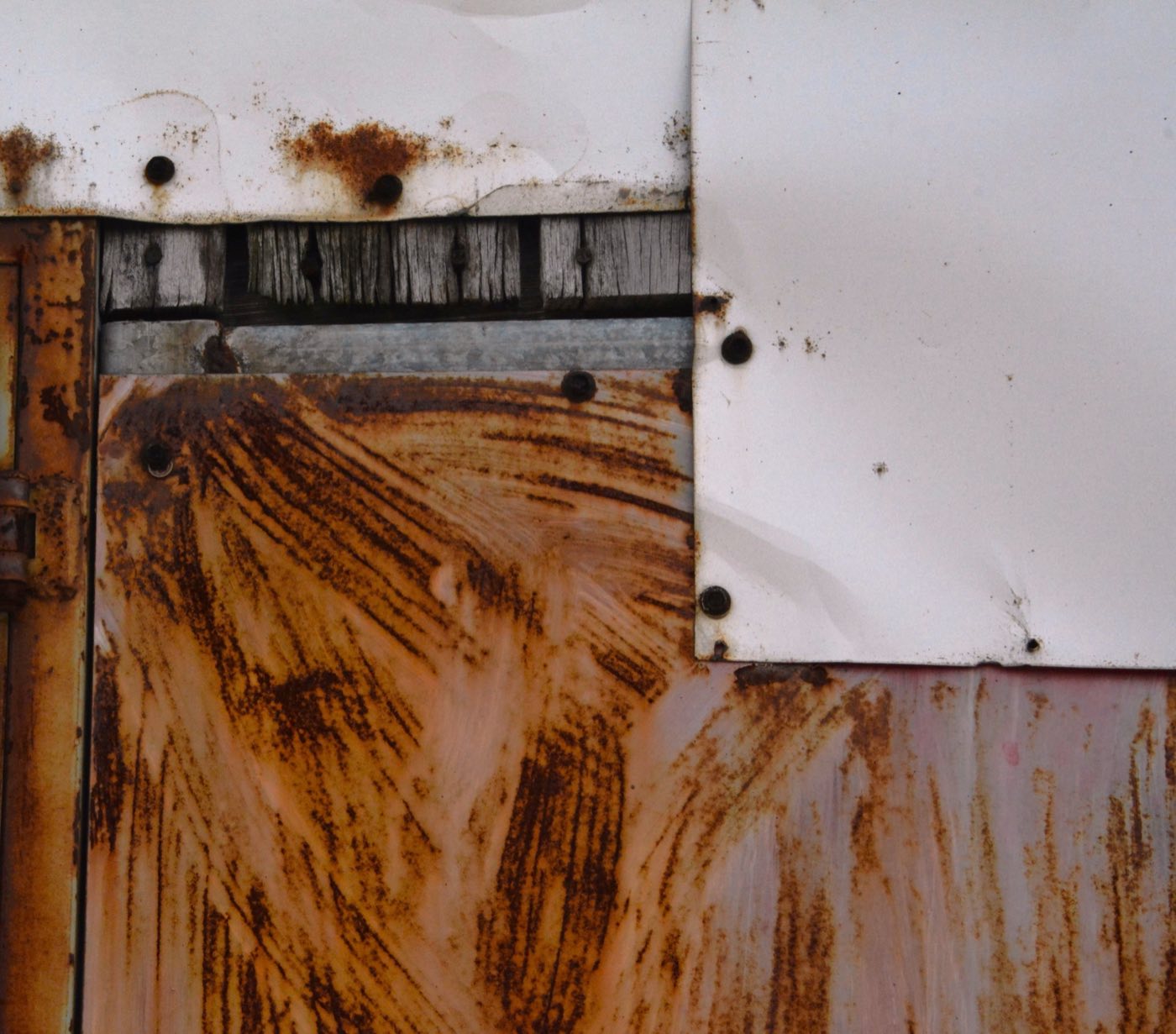
Coastal Pedasí builds run 5–8% higher than comparable inland builds because salt-air corrosion is real and aggressive. Here's what changes:
- Rebar: Epoxy-coated rebar in all coastal structural concrete (within 500m of ocean). Standard galvanized rebar fails within 5–10 years in salt-air; epoxy-coated lasts 30+. Cost premium: ~$2,500 on a 180 m² build.
- Fasteners: Stainless steel or marine-grade aluminum on all exterior connections. Standard galvanized fasteners corrode visibly within 2–3 years. Cost premium: ~$1,500–$3,000.
- Window frames: Aluminum (best) or fiberglass (acceptable). Wood and standard steel frames corrode rapidly in salt air. Cost premium: ~$2,000–$8,000 depending on home size.
- Roof: Painted galvalume or terracotta tile. Standard galvanized panels corrode at salt-air edges. Cost premium: ~$1,000–$3,000.
- Exterior paint: Salt-resistant marine-grade paint (Sherwin-Williams Loxon XP or equivalent). Cost premium: ~$800–$1,500.
- Door hardware: Marine-grade brass or stainless. Cost premium: ~$500–$1,500.
Add it up: ~$8,000–$20,000 in salt-air premiums on a 180 m² Pedasí build vs an equivalent Boquete build. Worth every dollar. Cutting these corners produces a home that looks tired in 5 years and needs major refurbishment in 10.
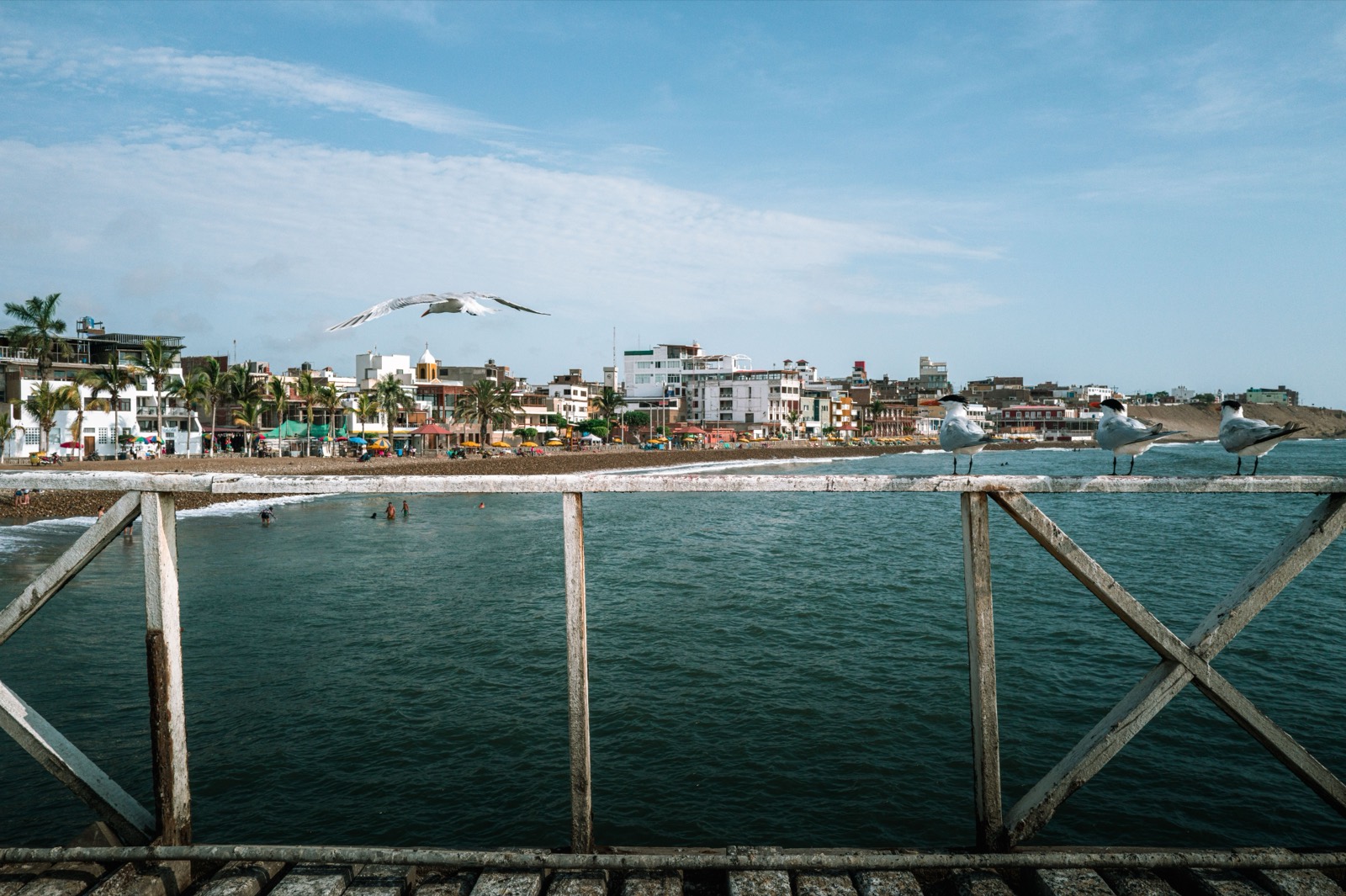
Casa Bahía case study, a real Sora Pedasí build
Casa Bahía is one of our standard models, a 180 m² (1,940 sq ft) three-bedroom, two-bath single-story home designed for retirees and couples. Here's the full breakdown of an active Casa Bahía build on a 1,200 m² lot 800m back from Playa Arenal, finishing in November 2026.
The lot
- 1,200 m² (12,900 sq ft) gently sloped lot, 800m from Playa Arenal
- Within IDAAN water zone (no well needed, saved $6,000)
- 120m from existing power line ($4,500 to connect)
- South-facing, with mature mango and almendro trees on north property line for afternoon shade
- Land cost: $58,000 (Sora optioned from local partner)
The home
- 3 bedrooms (primary + 2 secondary), 2 full baths
- Open kitchen-living-dining
- Covered terrace facing south for trade-wind cross-ventilation
- Open carport (vs enclosed garage, much more livable in this climate)
- 180 m² interior + 38 m² covered terrace + 24 m² carport
- Sora-tier finishes (mid-tier of three available)
The build budget, line by line
| Line item | Cost |
|---|---|
| Construction (180 m² × $1,150/m² Sora-tier Pedasí) | $207,000 |
| Architectural plans + engineering (8%, Sora standard plan adjusted) | $11,000 |
| MIVIOT + corregimiento permits | $3,200 |
| Power connection (120m to existing line) | $4,500 |
| Septic (bio-digester for proximity to coastline) | $9,500 |
| Project oversight (10%) | $20,700 |
| Salt-air construction premium (rebar, fasteners, paint, hardware) | $11,200 |
| Contingency / warranty reserve (3%) | $6,210 |
| Turnkey construction cost (excl. land) | $273,310 |
| Land | $58,000 |
| Total all-in construction + land | $331,310 |
| Closing costs (transfer tax + notary + registry + attorney) | $8,500 |
| Furniture & appliance package (Sora-tier) | $32,000 |
| Total turnkey ready-to-move-in | $371,810 |
| Sora retail price for equivalent | $385,000 |
The retail price is slightly above raw cost because it includes Sora's gross margin (which funds the design, warranty, customer service, and the 9-month delivery guarantee). It also includes more aggressive contingency reserves than the line items above show. The case-study buyer's actual signed contract is $385,000 fixed-price USD, delivery November 2026.
The 9-month build timeline
| Month | Phase | Buyer payment milestone |
|---|---|---|
| 0 | Contract signing, 25% deposit, escrow established | 25% deposit |
| 1 | Permits submitted, site prep, foundation excavation | , |
| 2 | Foundation complete, slab poured | 15% (foundation milestone) |
| 3 | Walls up, beams installed | , |
| 4 | Roof installed, structure complete and dried-in | 15% (framing + roof milestone) |
| 5 | MEP rough-in (electrical, plumbing, HVAC), insulation | , |
| 6 | Drywall, primary interior finishes, exterior paint | , |
| 7 | Kitchen + bath finishes, tile, fixtures, doors | 15% (finishes milestone) |
| 8 | Punch list, landscaping, final inspections | , |
| 9 | Final walkthrough, occupancy certificate, key handover | 30% final + 12-month warranty starts |
This is the standard Sora cadence. Builds that start in dry season (December–April) typically complete on schedule; wet-season starts add 30–60 days in foundation and framing phases.
Run a Casa Bahía through the Sora 3D customizer, see your specific build estimate in 90 seconds.
Pick your tier, customize the floor plan, swap finishes, add a pool or outdoor kitchen. Real-time cost updates as you go. Save your design, download a PDF spec sheet, and book a 15-minute call with our Pedasí lead architect to refine.
Frequently asked questions
How much does it cost to build a home in Pedasí, Panama?
A 180 m² (1,940 sq ft) Sora-tier home in Pedasí costs approximately $267,500–$285,000 in turnkey construction (excluding land) and $315,000–$335,000 retail. A 220 m² mid-tier home runs ~$305,000–$330,000 construction. A 320 m² luxury oceanfront with pool runs $553,000–$640,000 construction. Land for a Pedasí build runs $35,000–$200,000 depending on lot quality and view.
How long does it take to build a house in Pedasí?
A standard Sora Pedasí build runs 9 months from contract signing to handover. Dry-season starts (December–April) typically complete on schedule. Wet-season starts (May–November) can add 30–60 days during foundation and roof phases due to weather delays.
What permits do I need to build in Pedasí?
You need a MIVIOT building permit (Las Tablas regional office), a Pedasí corregimiento municipal permit, MiAmbiente environmental review if your lot is within 200m of the coastline or in a protected watershed, and SUNTRACS labor registration. Total typical turnaround: 60–90 days. Permits are the builder's responsibility; if a builder asks you to handle permits, walk away.
What's special about Pedasí coastal construction?
Pedasí salt-air requires epoxy-coated rebar (vs standard rebar inland), marine-grade stainless or aluminum fasteners, salt-resistant exterior paint, aluminum window frames, marine-grade door hardware, and painted galvalume or tile roofs. These items add ~$8,000–$20,000 (5–8%) to base construction cost vs comparable inland builds in Boquete or Volcán, but produce a home that looks new for decades vs needing major refurbishment in 5–10 years.
Can I build off-grid in Pedasí?
Yes, many Pedasí lots are better suited to off-grid solar than grid connection, especially rural lots more than 500m from existing power lines. A standard off-grid system for a 180 m² home (10kW solar + 30kWh battery + propane backup) runs $35,000–$55,000. See our companion piece on off-grid building in Panama for the full breakdown.
What's the best time of year to start a Pedasí build?
December through February. You break ground in dry season (best for foundation and framing), reach finishes during the early green season (interior work isn't weather-dependent), and complete before the next year's high season. Builds started October–November can run into weather problems during foundation pour; we typically schedule foundation work in the first dry-season window even if the contract starts earlier.
Can I oversee my Pedasí build remotely from the US or Canada?
Yes. Sora provides weekly photo and video updates, a dedicated project manager who acts as your local proxy, and live video walkthroughs on demand. We recommend at least one in-person visit during finish selection (around month 5–6) if possible, finishes are easier to get right when you can touch the samples, but it's not required. We've built homes for buyers who didn't visit until the keys handover.
How does building in Pedasí compare to Boquete?
Pedasí builds run 5–8% higher per square meter due to salt-air construction requirements, higher logistics costs from Panama City, and labor relocation premiums. The full comparison, climate, healthcare, lifestyle, schools, and real estate prices, is in our companion guide: Boquete vs Pedasí, The Definitive 2026 Comparison.
Sources, and where these numbers come from
Two different kinds of number live on this page, and you deserve to know which is which.
Our own books. Every build cost, line item, timeline window and lot observation comes from Sora's active Pedasí and Playa Venao projects — seven homes in progress as of September 2026, including the Casa Bahía build detailed above. These are real invoices, not estimates scraped from elsewhere. They are also our costs at our volume, so treat them as a well-lit reference point rather than a quote.
Public record. Permit stages, agency roles and penalties are checkable, and you should check them:
- Contraloría General de la República — Base de Datos de Costos Directos de Obras. Panama's official unit-cost dataset for construction, currently on the version built around July 2025–June 2026 wage rates. The single best sanity check on any contractor's line items.
- Panamá Digital — Permiso de Construcción (Planos Aprobados). The government's own description of the construction permit, its requirements and the documents it takes.
- MUPA DOYC — Permiso Digital de Construcción. Panama City's digital permit guide. Not the process you'll use in Pedasí, but it's the clearest published account of what the sectoral clearances actually involve.
Costs verified against live project accounting, September 2026. Permit fees and agency timelines change; confirm current figures with the Pedasí municipio and the Las Tablas MIVIOT office before you budget.